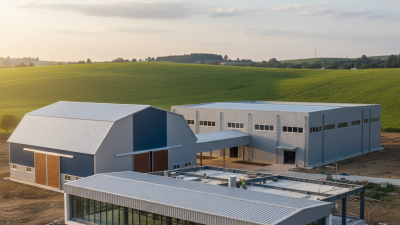
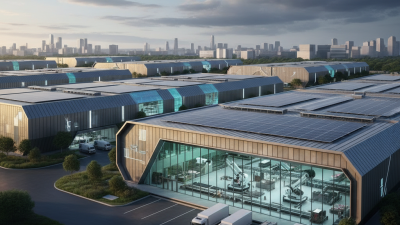
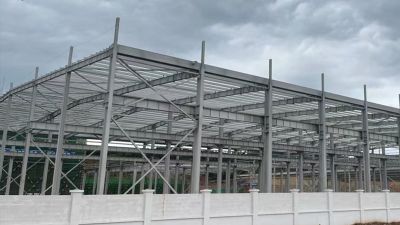
As more people around the world start really looking for sustainable and innovative housing options, Steel Structure Houses have become a hot topic lately. Industry pro Dr. Jane Liu, who's well-known for her work with prefabricated buildings, points out that "the future of housing is all about efficient and durable designs." Honestly, that really highlights just how much potential there is with steel construction.
In China, a bunch of companies are stepping up and leading the charge in making reliable Steel Structure Houses. These homes are not only sturdy and cost-effective but also eco-friendly. Take China Steel Structure Industry Co., for example—they focus on offering high-quality, customizable options tailored for different climates and styles, which is pretty cool.
Of course, it’s not all smooth sailing. There are definitely some challenges, like keeping quality consistent or sourcing the right materials. Sometimes, companies might give you a timeline or price that’s a bit too optimistic, which can be pretty disappointing if things don’t go as planned. So, if you're thinking about jumping in, it’s really wise to do your homework. Look beyond just the price—make sure you’re dealing with reputable suppliers who have a solid track record.
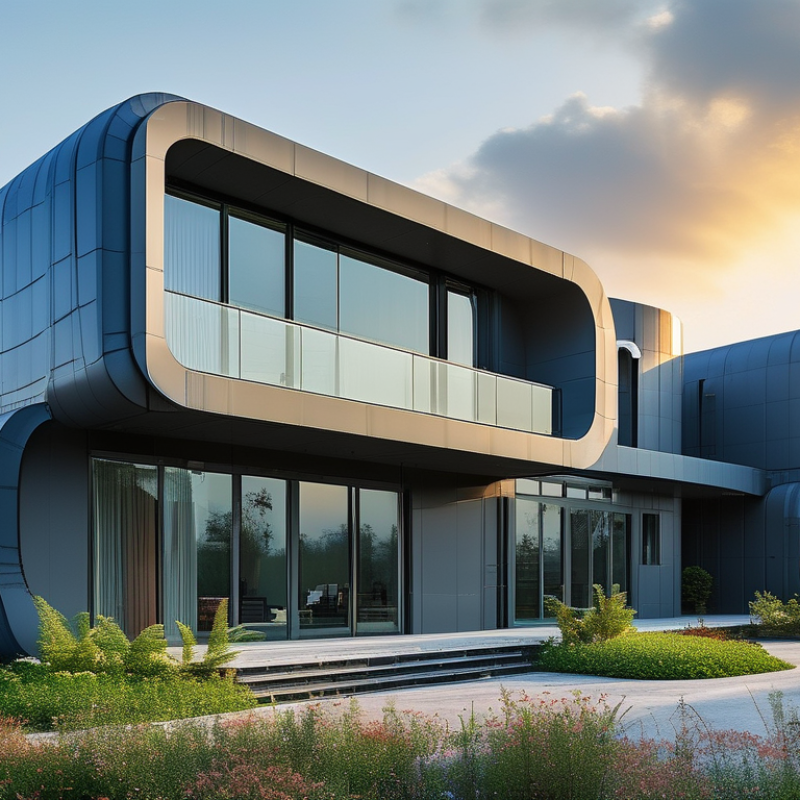
Overview of China's Steel Structure Housing Industry
China's steel structure housing industry is experiencing significant growth. In 2023, the market size reached approximately
$50 billion. This upward trend indicates a robust future for
steel structure houses. The increased demand stems from benefits such as durability, quick assembly, and
cost-effectiveness. Steel houses can be prefabricated, leading to a reduction in construction time by up to
30%.
Moreover, the sustainable nature of steel as a recyclable material appeals to eco-conscious consumers. A report by the
China Academy of Building Research suggests that steel structures reduce carbon emissions during construction
by 20-30%. However, the industry faces challenges, such as fluctuating raw material prices and
skilled labor shortages. According to the National Bureau of Statistics of China, the labor cost in
construction has risen by 15% over the last two years. This increase can impact overall project
pricing and timelines.
Furthermore, as competition intensifies, some manufacturers struggle with quality control. Low-cost producers may
compromise on standards, leading to safety concerns. Despite these challenges, China's steel structure housing remains
a viable and innovative option for future housing solutions.
Key Factors Driving the Growth of Steel Structure Housing in China
The demand for steel structure housing in China is experiencing rapid growth. Several factors contribute to this trend. Firstly, China's urbanization pushes more people toward affordable housing solutions. Steel structures are cost-effective, offering durability and speedy construction. According to a report by the China Steel Construction Society, the market for steel buildings is expected to reach 600 billion yuan by 2025.
The environmental benefits of steel construction cannot be overlooked. Steel is recyclable, and using it reduces the carbon footprint of buildings. In 2023, the China National Building Material Group reported that steel re-use can lower overall construction waste by up to 30%. This aligns with the government's commitment to sustainable development and green construction practices.
Tips: When considering steel structure housing, look for certifications. Ensure that materials meet industry standards. Inquire about the steel's origin and sustainability measures taken during production. While the benefits are clear, be aware of challenges such as fluctuating steel prices and potential supply chain disruptions. Understanding these factors will help in making informed decisions.
Top Exporters of Steel Structure Houses in China
When exploring the market for steel structure houses, several key players stand out in China's export industry. These companies have established a solid reputation for providing durable and efficient housing solutions. According to recent reports, the demand for steel structure housing has surged, driven by urbanization and an increasing preference for sustainable building practices. In fact, the global market for steel structure houses is projected to grow by over 12% annually, reflecting the increasing awareness of their benefits.
It's essential to consider not just the cost, but also the quality and service provided by these exporters. Many manufacturers now emphasize eco-friendly materials and advanced technology. This aligns with market trends emphasizing sustainability. Furthermore, there is an expectation for Steel Beam Houses to incorporate energy-efficient designs that lower operational costs. Key data indicates that buildings designed with steel structures can reduce waste and improve construction speed, making them attractive to developers.
Tip: Research potential exporters before making any decisions. Assess their previous projects and certifications. Look for feedback from existing clients to gauge reliability and service quality. Another important aspect is to keep an eye on market fluctuations. Prices can vary widely, so staying informed can help you secure the best deals while ensuring quality. Balancing cost with quality is crucial in this competitive market.
Innovative Technologies Used by Chinese Steel Structure House Exporters
Chinese steel structure house exporters have embraced innovative technologies to enhance their offerings. For instance, many companies are utilizing advanced design software to create customized layouts. This ensures that each Steel Prefab House meets specific client requirements. Reports indicate that over 40% of construction projects are adopting modular designs using steel structures, emphasizing their growing popularity.
Additionally, cutting-edge manufacturing processes are being employed. Automated production lines reduce waste and improve precision. As a result, production efficiency can increase by up to 30%. This technology minimizes labor costs and shortens construction timelines. The flexibility of steel materials allows for easy integration of green technologies. Solar panels and energy-efficient insulation are becoming standard features in new builds, helping reduce energy consumption.
However, some challenges remain. Despite advancements, the industry faces issues related to sourcing sustainable materials. Moreover, market volatility can impact pricing. Importantly, not all exporters prioritize eco-friendly practices. This poses potential risks for environmentally conscious buyers. It's crucial for clients to conduct thorough research. Evaluating suppliers based on their sustainability efforts is essential to ensuring long-term satisfaction with Steel Prefab Houses.
Market Trends and Consumer Preferences in Steel Structure Housing
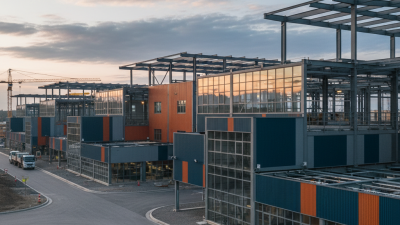
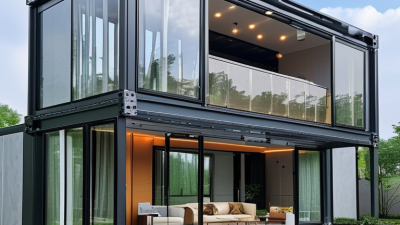
The interest in steel structure housing has been on the rise. More people are looking for durable and sustainable living options. Steel Container Houses have gained popularity due to their affordability and reduced environmental impact. These homes are made from repurposed shipping containers, providing a unique aesthetic and robust construction.
Recent market trends show that consumers prefer customizable living spaces. Buyers want homes that adapt to their lifestyles. Flexibility in design is crucial. Many are exploring options for off-grid living, showcasing a shift towards sustainability. Steel structure houses meet this demand with energy-efficient designs and modular features.
While the benefits are clear, challenges remain. Not all consumers are aware of how to finance or insulate these structures. There’s also a need for further clarity on building regulations. Understanding these aspects is vital for potential homeowners. Researching local laws can help navigate these issues effectively. The evolving landscape of steel structure housing presents exciting opportunities and obstacles for potential buyers and builders alike.
Challenges Faced by Chinese Steel Structure House Exporters
Chinese steel structure house exporters face significant challenges in the global market. According to a report by the International Steel Association, the steel construction sector has grown by approximately 8% annually. However, this rapid expansion brings complexities. Many exporters struggle with quality consistency. Buyers often prioritize durability and safety, which can vary widely among manufacturers.
Another concern is the fluctuating raw material costs. The price of steel has seen volatility, affecting profit margins. In 2021, a notable spike in raw material costs led to a 10% decrease in export volume. Additionally, compliance with international standards is a hurdle. Many firms lack the expertise to meet the stringent regulations in different markets. This gap can lead to lost opportunities for sales.
Lastly, cultural barriers play a role. Effective communication is crucial in international business. Some exporters find it difficult to navigate different business cultures. Building trust becomes a challenge, further complicating transactions. To succeed, exporters of Steel Constructed Houses must address these issues and enhance their global approach.
Future Outlook for China's Steel Structure House Export Market
The future outlook for China's steel structure house export market appears promising. As urbanization accelerates, demand for affordable and sustainable housing rises. Steel structures offer durability and efficiency, making them an appealing choice for developers and homeowners alike. China’s expertise in manufacturing these structures positions it as a global leader.
However, challenges remain. Quality assurance is critical in maintaining competitive advantages. Companies must invest in technologies that enhance construction methods and safety standards. Additionally, fluctuations in raw material prices could impact profitability. Smaller manufacturers may struggle to adapt to these market dynamics, questioning their long-term viability.
Cross-border regulations also add complexity. Navigating different standards in various countries can be daunting. Exporters need to ensure compliance to build trust. This landscape of opportunity and challenge requires stakeholders to remain vigilant. Continuous innovation and adaptation will play key roles in shaping the future of this sector.
Optimizing Efficiency and Sustainability in ISO Certified Prefabricated Steel Frame Structures: Insights from Recent Industry Reports
Recent industry reports have highlighted the growing trend towards optimizing efficiency and sustainability in ISO certified prefabricated steel frame structures. As construction demands increase globally, the need for faster and more reliable building methods has become paramount. Prefabricated steel frame buildings stand out for their rapid assembly, which significantly reduces the overall construction timeline. According to a recent market analysis, the growth of prefabricated construction is projected to reach $180 billion by 2025, driven by advancements in manufacturing techniques and an increasing emphasis on sustainability.
The durability of steel as a primary construction material contributes greatly to the long-term sustainability of these structures. Steel frame buildings are designed to withstand harsh conditions, reducing maintenance costs over time. Reports indicate that energy-efficient steel structures can achieve up to 30% higher energy efficiency compared to traditional building methods. This efficiency is complemented by designs that utilize recyclable materials, making prefabricated steel frames an environmentally friendly choice that aligns with global sustainability goals.
Moreover, the flexibility of design with prefabricated steel structures allows for tailor-made solutions suitable for various applications, such as workshops, warehouses, and industrial factories. Recent studies emphasize that the adaptability of these structures not only meets the specific needs of clients but also maximizes space usage, further enhancing operational efficiency. This adaptability, combined with cost-effective construction methods, positions prefabricated steel frame buildings as a leading solution in the modern construction landscape.
FAQS
: Urbanization and demand for affordable housing solutions are key factors. Steel structures are cost-effective and durable.
Steel is recyclable and can reduce construction waste by up to 30%. This helps lower the overall carbon footprint.
Look for industry certifications and ensure materials meet standards. Inquire about the sustainability of the steel used.
Advanced design software helps create customized layouts. Automated production lines enhance efficiency and reduce waste.
Consumers prefer durable, customizable living spaces that accommodate their lifestyles. Off-grid living options are gaining interest.
Not all suppliers prioritize eco-friendly practices. Market volatility can affect pricing, posing risks for buyers.
Look for features like solar panels and energy-efficient insulation. These are becoming standard in new builds for efficiency.
Many potential homeowners lack clarity on financing and insulation. Researching local regulations can help navigate these challenges.
Steel homes can be designed with modular features, allowing flexibility to meet individual needs and preferences.
The market is expected to reach 600 billion yuan, driven by rising demand for cost-effective and sustainable housing solutions.
Conclusion
The article provides a comprehensive overview of the steel structure housing industry in China, highlighting its significant growth driven by various factors such as urbanization, cost-effectiveness, and sustainability. Steel Structure Houses are gaining popularity due to their durability and quick construction time, appealing to both domestic and international markets.
Key exporters of these structures are leveraging innovative technologies to enhance their designs and manufacturing processes, which aligns with emerging market trends and consumer preferences for eco-friendly and efficient living spaces. However, the industry faces challenges, including competition and regulatory hurdles, which could impact future growth. The outlook for China's steel structure house export market remains positive, with continued advancements expected to shape its evolution in the coming years.