You know, the steel structure industry is really going through some exciting changes lately. I came across a report from MarketsandMarkets that predicts the global market for steel structures could hit around $XX billion by 2026 — that’s pretty impressive! It seems like urbanization and the need for new infrastructure are really pushing things forward. What’s pretty cool is that OEMs and ODMs are leading the charge, making the most of the latest tech out there.
These manufacturers aren’t just sticking to old methods — they’re trying out things like modular construction and automation, which has seriously cut down on lead times and boosted efficiency. Big names like ArcelorMittal and Nippon Steel are even experimenting with advanced designs and materials, all aimed at making their structures more durable and eco-friendly. But, honestly, with all this rapid change happening, there are definitely some concerns about whether companies and their workers can keep up with the pace and whether everyone gets the right training.
As these trends keep evolving, everyone involved in the industry needs to have a bit of a think — about balancing innovation with craftsmanship, you know? Steel structures are still super important for modern construction, but there are hurdles to overcome. Moving forward, it’s all about embracing new tech without sacrificing quality — that’s the key if they want things to last in the long run.
Emerging Technologies in Steel Structure Manufacturing for 2026
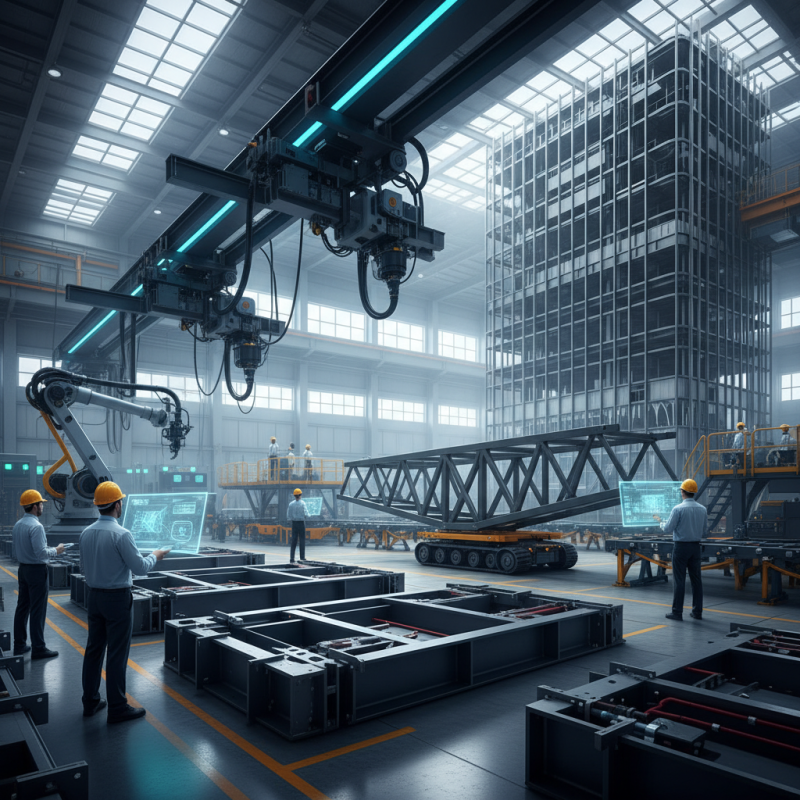
As we look towards 2026, steel structure manufacturing is set to undergo significant transformations. Emerging technologies are shaping how factories operate. Automation plays a crucial role in enhancing efficiency and precision. Robotics streamline assembly processes, reducing human error and increasing output.
Another vital innovation is the integration of digital twins. This technology allows manufacturers to create virtual replicas of their structures. By simulating real-world performance, teams can identify potential issues before construction begins. This proactive approach can save time and resources, leading to more sustainable practices.
Tips: Invest in training for your workforce. Adopting new technologies only works if your team understands how to use them. Regular workshops can increase skill levels and confidence.
Collaboration between engineering and manufacturing teams is essential. Open communication leads to better designs that consider real-world constraints. It’s a journey where frequent feedback loops are necessary to refine processes.
In an ever-evolving landscape, staying adaptable is critical. Embracing change can be daunting, but it's necessary for growth. Understanding emerging trends will provide a competitive edge as the industry moves forward.
Sustainable Practices in OEM and ODM Steel Production
The steel structure industry is witnessing a significant shift towards sustainable practices. This change is driven by the need to reduce emissions and conserve resources. Many manufacturers are exploring eco-friendly materials. This includes recycled steel, which minimizes waste and energy consumption during production.
Innovations are emerging to improve energy efficiency in steel production. Using
renewable energy sources is one example. Factories are installing solar panels and wind turbines.
However, this transition can be costly and complex. Some manufacturers struggle with the initial investment. The challenge lies in balancing sustainability with profitability.
Moreover, adopting sustainable practices requires a cultural shift within organizations. Employee training and engagement are essential. Companies must rethink their supply chains to ensure sustainability at every level. Collaboration with stakeholders will become vital. There is still much work to be done, but the demand for greener steel structures continues to grow.
Innovative Design Techniques in Steel Structure Factories
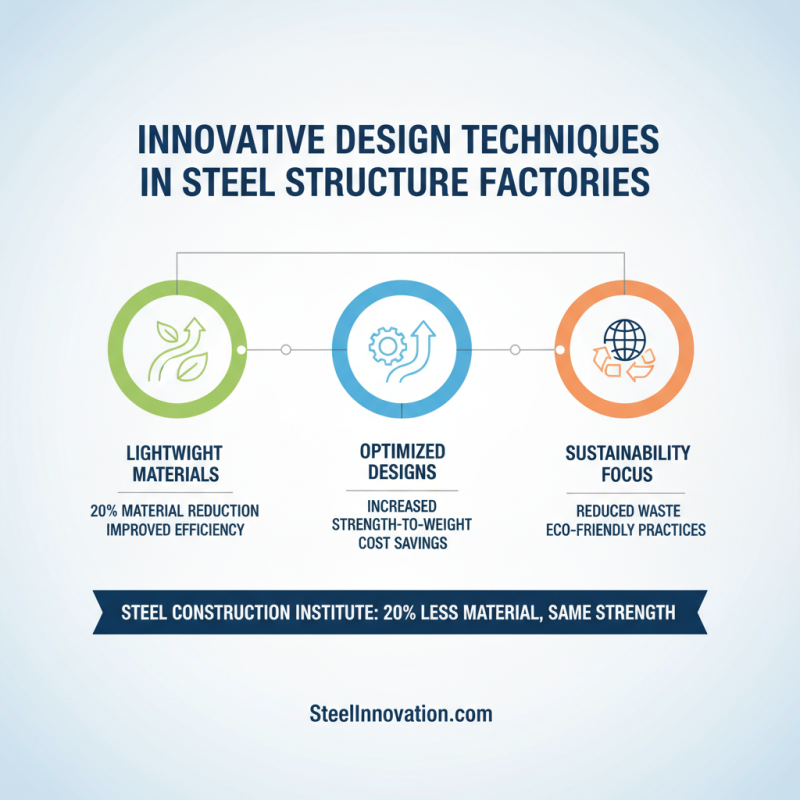
Innovative design techniques are transforming steel structure factories. In recent years, the industry has seen a shift towards lightweight materials. These materials improve efficiency and reduce costs. A report by the Steel Construction Institute indicates that lightweight designs can cut material use by 20% without sacrificing strength. This trend is essential as manufacturers seek sustainability.
Moreover, modular construction is gaining traction. Factories are now adopting pre-fabricated steel components. This method accelerates the construction process significantly. In fact, industry data shows that modular designs can reduce build time by 30%. However, the challenge remains in quality control. Ensuring consistency across components can be difficult.
Additionally, advanced technologies like 3D printing are emerging. This technique allows for custom designs that were not possible before. According to a study by McKinsey, 3D printing can lower costs by up to 40% in some applications. Nonetheless, the technology is still in its infancy. Manufacturers must invest in training to integrate these innovations effectively.
Market Trends Influencing Steel Structure Demand in 2026
As we look toward 2026, several market trends are profoundly shaping the demand for steel structures. The global shift towards green building practices influences architects and contractors alike. According to a recent report by the Global Data Steel Industry, sustainable steel production methods are expected to grow by over 30% by 2026. This trend supports the rising demand for environmentally friendly structures, enhancing the appeal of steel as a building material.
In addition, urbanization continues to drive the need for innovative steel structures. The United Nations reported that by 2026, nearly 60% of the world's population will live in cities. This surge in urban dwellings requires efficient and durable construction solutions. Modular steel buildings, which reduce waste and construction time, are increasingly favored. However, they present challenges, such as higher initial costs and the need for skilled labor.
Economic factors also play a critical role. Market volatility affects material costs, leading to unpredictable prices for steel. A study by the Steel Market Development Institute highlighted that 40% of firms face difficulties in securing affordable raw materials. Companies need to navigate these fluctuations while ensuring quality and innovation. Understanding these trends is essential for stakeholders aiming to thrive in the evolving steel structure landscape.
2026 Top OEM ODM Steel Structure Factory Innovations and Trends
| Dimension |
2025 Value |
2026 Projected Value |
Trends Influencing Demand |
| Market Size ($ Billion) |
45 |
50 |
Increase in infrastructure projects |
| Growth Rate (%) |
5 |
11.11 |
Sustainability initiatives |
| Export Volume (Million Tons) |
20 |
25 |
Rising international demand |
| Innovation Investment ($ Million) |
2 |
4 |
Smart construction technologies |
| Green Certifications (%) |
30 |
50 |
Increased emphasis on eco-friendliness |
Automation and Robotics in Steel Manufacturing Processes
Automation and robotics are transforming the steel manufacturing landscape. In 2022, nearly 30% of steel manufacturers adopted robotic solutions. This figure is expected to rise significantly by 2026. The integration of robotic systems enhances precision and reduces errors in production. Automated welding and cutting processes have shown improvements in speed and surface quality.
Despite these advancements, challenges remain. High initial investment costs deter some manufacturers from upgrading. Maintenance of automated systems requires skilled technicians, which can be a barrier for smaller operations. A report from the World Steel Association highlighted that 25% of manufacturers face skills shortages, emphasizing the need for workforce training.
Moreover, robots can optimize resource usage. Data suggests that automation can reduce material waste by up to 20%. However, the technology isn't foolproof. Failures can occur if not properly calibrated. As the industry evolves, balancing automation's benefits with these challenges will be crucial for sustainable development in steel manufacturing.
Challenges Facing the Steel Structure Industry in 2026
The steel structure industry faces significant challenges in 2026.
Sustainability is a pressing concern. As per a recent report from the
World Steel Association, the industry accounts for about 7% of global CO2 emissions.
Companies are under pressure to reduce carbon footprints. Implementing eco-friendly practices remains an uphill battle.
Labor shortages further complicate the landscape. During a recent survey, 60% of steel manufacturers reported
difficulties in hiring skilled workers. This gap could hinder innovation
and productivity. Moreover, the competition intensifies as emerging markets adopt advanced technologies.
Many factories still rely on outdated machinery, limiting their ability to compete.
Lastly, supply chain disruptions pose ongoing risks. Recent events have highlighted
vulnerabilities in sourcing raw materials. Steel prices have shown volatility, prompting firms to re-evaluate their procurement strategies.
Such fluctuations can impact project timelines and budgets, leading to potential delays. Industry players must adapt quickly
to maintain resilience and ensure sustainable growth.
Future Directions of Steel Structure Innovations and Research
The future of steel structure innovations is promising. Research is shifting towards sustainability. Researchers are exploring recycled materials and energy-efficient techniques. These innovations can reduce carbon footprints significantly. They also improve the lifespan of structures.
Collaboration between industries is essential. Engineers and researchers should work together. This partnership can lead to groundbreaking findings. However, challenges remain. Adapting to new materials may require additional training. Not all current practices may fit the innovations. Production lines can face disruptions during transitions.
Innovative design methods are also emerging. 3D printing is gaining traction in steel construction. It allows for complex designs that traditional methods cannot achieve. Nevertheless, the initial costs of adopting new technologies can deter some manufacturers. Balancing innovation with practicality is crucial in this evolving landscape.
Designing Efficient and Cost-Effective Prefabricated Steel Structures for Large Span Warehouse Applications
In the realm of modern industrial architecture, the design and implementation of prefabricated steel structures have transformed how large span warehouses are constructed. These innovative solutions provide a seamless blend of efficiency and cost-effectiveness, addressing the growing needs of companies for durable and spacious storage facilities. By utilizing advanced engineering techniques, these prefabricated steel frames ensure optimal performance while significantly reducing construction times.
The benefits of a large-span design cannot be overstated. It allows for flexible interior configurations and maximizes usable space, making it ideal for various applications, including manufacturing, distribution, and storage. The prefabrication process not only accelerates construction but also minimizes waste and labor costs, providing an environmentally friendly alternative to traditional building methods. This approach enables businesses to quickly adapt to changing market demands without compromising on quality or structural integrity.
With the fast-paced evolution of logistics and supply chain requirements, the demand for efficient and reliable storage solutions has never been greater. Prefabricated steel structures rise to meet these challenges, offering a robust and scalable option that aligns with modern industry needs. Their inherent strength and adaptability ensure that companies can confidently invest in facilities that will stand the test of time, all while achieving significant savings on construction expenses.
FAQS
: The need to reduce emissions and conserve resources is the main driver for this shift.
Recycled steel minimizes waste and reduces energy consumption during production processes, benefiting the environment.
Factories are installing solar panels and wind turbines to harness renewable energy sources.
The initial investment is often costly and complex, leading to struggles for many manufacturers.
A cultural shift requires training and engagement to foster sustainability within organizations.
Modular construction accelerates the process by using pre-fabricated components, reducing build time by 30%.
While they improve efficiency, ensuring quality control can be a significant challenge.
It allows for custom designs and can lower costs by up to 40% in specific applications.
They need to invest in proper training to utilize these new technologies in production.
There is a growing demand, but there’s still much work needed for widespread adoption and challenges to address.
Conclusion
The article "2026 Top OEM ODM Steel Structure Factory Innovations and Trends" explores the evolving landscape of steel structure manufacturing. It highlights emerging technologies that are set to revolutionize production processes, emphasizing the importance of sustainable practices in OEM and ODM steel production. Innovative design techniques are being adopted to enhance efficiency and adaptability, driven by market trends that indicate a growing demand for steel structures in various sectors.
Additionally, the article discusses the role of automation and robotics in streamlining manufacturing processes, while also addressing challenges the industry will face, such as fluctuating material costs and environmental regulations. Looking ahead, the future directions for steel structure innovations focus on integrating advanced technologies and research to foster sustainable growth and meet the increasing demands of the market.