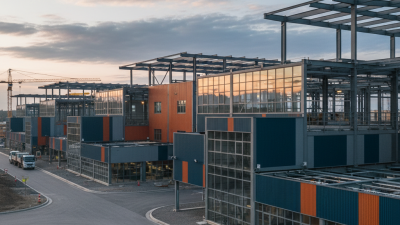
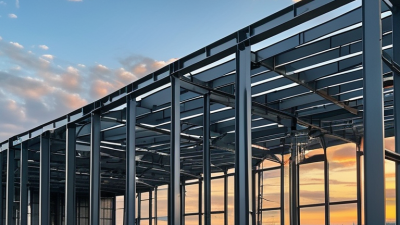
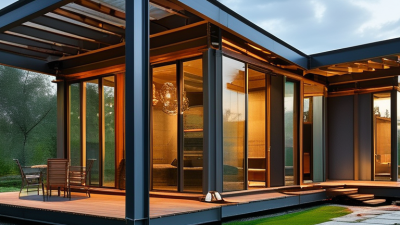
So, if you're trying to find reliable steel workshop manufacturers in 2026, don’t just go by their catalog prices—there’s way more to it. Buyers from around the world need to see solid proof of their experience in production, engineering skills, and consistent quality checks. This guide will walk you through what to look for, especially if you’re dealing with manufacturers supporting structural steel, custom parts, industrial frames, or even steel fabrication for international projects. Trust me, details matter big time here. A trustworthy factory should openly share info about their material grades, welding processes, inspection routines, and finishing options. Don’t forget to look at their mill certificates, weld records, dimensional reports, and past export projects. Also, check their capacity—especially if your job involves large beams, precise-cut plates, or repeated production. Clear drawings are a lifesaver—they help avoid mistakes. And quick, responsive communication can really save you from project delays.
Now, let’s be real—no single ranking or checklist can cover everything perfectly. Different regions, project sizes, and technical needs will make some manufacturers perform better than others. Just because a shop has fancy machinery doesn’t mean they have their documentation or delivery process nailed down. On the flip side, a place with amazing craftsmanship might have limited capacity adding to lead times. So, when choosing, focus on practical stuff—like their equipment, skilled staff, quality management, how transparent they are about production, and if they offer solid after-sales support. Always ask for samples, verify certifications, and double-check packaging standards before signing any contracts. Also, don’t forget to consider logistics—shipping routes, local building codes, and import rules—those can bump up costs unexpectedly.
In the end, the biggest or busiest factory isn’t always the best fit. The real winner is the manufacturer that truly gets your drawings, spots potential risks early, and delivers results that you can count on. Be prepared to ask questions—that’s a good sign you’re working with a serious supplier who cares about your project.
Steel Workshop Manufacturing: Definition, Scope, and Global Market Role
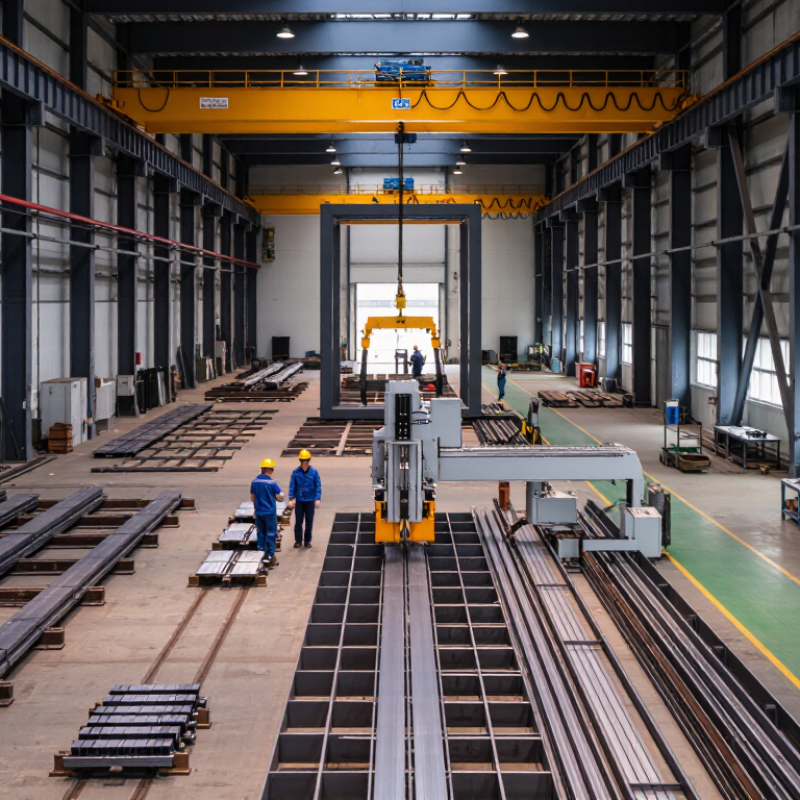
Steel workshop manufacturing covers the engineered production of enclosed steel facilities for factories, warehouses, repair centers, and logistics operations. It includes structural design, section cutting, welding, surface treatment, cladding, delivery, and site assembly. A serious manufacturer also coordinates foundations, ventilation, drainage, cranes, and fire safety interfaces. The building is only one part of the system.
The scale is substantial. The World Steel Association reported 1.89 billion tonnes of crude steel production in 2023. This supply supports industrial buildings across manufacturing, energy, agriculture, and distribution networks. Steel Building Steel is not merely a search phrase; it reflects a procurement decision involving grades, thicknesses, connection details, corrosion protection, and service life. Small specification errors can become costly leaks, deflection, or installation delays.
The sector also carries environmental responsibility. UNEP’s 2023 Global Status Report for Buildings and Construction estimated that buildings and construction caused 37% of global energy-related and process carbon emissions in 2022. Workshop manufacturers therefore need measurable material efficiency, recycled-content records, responsible coating systems, and transparent fabrication controls. Digital drawings and traceable inspection reports help, but they do not replace experienced site checks. A neat factory schedule can still fail in wet weather or poor soil. That uncomfortable gap deserves scrutiny.
How to Evaluate Steel Workshop Manufacturers in 2026
When evaluating steel workshop manufacturers in 2026, inspect evidence rather than polished promises. Request recent project drawings, load calculations, material certificates, and welding inspection records. Ask for evidence. A reliable manufacturer can explain steel grades, coating systems, connection details, and tolerance limits in plain language.
Visit the production facility if the project value allows it. Watch how plates are cut, marked, welded, blasted, and measured. Check whether each component carries a traceable identification code. Confirm that engineers review wind, snow, seismic, drainage, and local construction requirements. Independent inspections can reveal problems that factory photographs hide. Production capacity also matters. A crowded schedule may create rushed fabrication and late shipments.
Compare quotations line by line. Include foundations, fasteners, insulation, doors, transport, unloading, erection, testing, and replacement parts. Vague exclusions deserve questions. Review warranty terms and response procedures before signing. Contact recent customers, preferably those with similar building sizes and climates. Their feedback may expose communication gaps or maintenance issues.
Do not assume the lowest price is efficient. Nor is the largest factory automatically suitable. I have seen evaluations focus heavily on steel weight while ignoring installation access and drainage. That was a costly blind spot. Leave room for technical revisions, because site conditions rarely match early drawings perfectly. Reliable decisions come from documented competence, transparent limits, and verifiable performance.
Key Capabilities of Leading Steel Workshop Manufacturers
Leading steel workshop manufacturers now compete on more than fabrication speed. They must deliver measurable quality, traceability, and site-ready engineering. The World Steel Association reported 1,892.2 million tonnes of crude steel production in 2023. That scale increases pressure on workshops to control waste, tolerances, and delivery risks.
Strong manufacturers use 3D modeling, load analysis, and documented revision control before cutting begins. Their engineers should understand C Steel profiles, connection details, corrosion exposure, and local building codes. Automated cutting improves repeatability, while qualified welders and inspection records protect structural performance. The IEA’s Iron and Steel Technology Roadmap links steelmaking to about 7% of global energy-related emissions. Efficient nesting, responsible material selection, and recyclable packaging therefore matter. They are not decorative features.
Tips:
Ask for mill certificates, welding procedures, coating thickness records, and independent inspection evidence. Check how the workshop manages design changes. A clear sample drawing can reveal more than polished promises.
A reliable supplier also plans transport around actual site conditions. Oversized frames need lifting points, route checks, packing protection, and practical erection sequences. Digital progress reports help buyers compare production with the agreed schedule. Yet no workshop is flawless. Small drawing errors still happen, especially when languages, standards, or late changes collide. The better manufacturers admit these risks early and correct them with documented actions. Buyers should examine corrective-action records, not only finished photographs. Real capability appears under pressure.
Materials, Fabrication Standards, and Quality Control
Choosing reliable steel workshop manufacturers in 2026 requires more than comparing prices. Materials, fabrication standards, and quality control reveal a workshop’s real capability.
For Beam Steel projects, buyers should request mill certificates, heat numbers, and clear material grades before fabrication begins. Common options include carbon steel, galvanized steel, and weather-resistant steel. Each material needs suitable storage, cutting, welding, and surface protection. Outdoor frames may require corrosion-resistant coatings and documented thickness checks. A capable workshop follows recognized standards, such as EN 1090, AWS D1.1, or ISO-based quality systems, when applicable to the project. However, standards must match the destination market and structural design.
Fabrication control should cover drawings, cutting dimensions, weld procedures, and assembly tolerances. Qualified welders and calibrated measuring tools reduce avoidable errors. Inspectors may use visual checks, ultrasonic testing, magnetic particle testing, or dimensional inspection. Traceability should continue from raw plate to finished component. Photos, inspection reports, coating records, and packing lists help buyers verify each stage remotely. Factory experience matters here; small process gaps can create expensive installation problems. No workshop is perfect. Even a strong supplier may miss a minor tolerance or delay a report. That weakness should be acknowledged, corrected, and recorded rather than hidden. Clear communication often proves as important as polished steel.
Common Structural Steel Grades for Global Fabrication Buyers
The chart compares minimum nominal yield strength for widely specified structural steel grades, using values applicable to common thickness ranges up to 16 mm. Grade selection should also consider toughness, weldability, coating requirements, design codes, and project-specific quality controls.
Regional Comparison of Global Steel Workshop Suppliers
2026 Top Steel Workshop Manufacturers for Global Buyers
Regional Comparison of Global Steel Workshop Suppliers
Regional strengths differ sharply in steel workshop manufacturing. East Asian suppliers often provide competitive pricing, fast fabrication, and broad customization. Their large production bases support portal frames, mezzanines, and modular workshop systems. However, buyers must verify coating thickness, welding records, and shipment protection. A low quotation may hide added inspection or port costs.
European suppliers usually emphasize detailed engineering, traceability, and strict dimensional control. They can be suitable for projects with demanding fire, snow, or energy requirements. North American manufacturers often understand local building codes, seismic design, and permit documentation more deeply. Suppliers in emerging manufacturing regions may offer flexibility and lower labor costs. Yet, quality systems and project references require closer checking. No region wins every project.
Tips: Compare complete delivered costs, not factory prices. Request signed drawings, material certificates, weld inspection reports, and coating test results. Confirm whether the supplier has handled your local wind and snow loads. Ask for realistic production photographs, not only polished renderings. Factory audits help, but they are not perfect. I have seen well-organized factories miss small drainage details. That mistake later caused maintenance problems. A reliable supplier should discuss such risks openly and provide a correction plan. Evaluate communication speed, technical clarity, and after-sales support alongside price. Regional familiarity matters, but documented performance matters more.
Purchasing, Pricing, Delivery, and After-Sales Considerations
Global buyers need more than a low factory quotation. They should verify production experience, welding procedures, material certificates, and independent inspection records. A reliable workshop explains whether each Steel Beam meets the requested grade, dimensions, and load conditions. Ask for recent project photos and signed drawings. Details expose capability.
Pricing should include steel, fabrication, surface treatment, packing, inland transport, and export documentation. An unusually low offer may exclude testing or protective coating. Request a line-by-line quotation with currency, validity, payment milestones, and change-order rules. Confirm tolerances before purchase. This prevents disputes.
Delivery depends on production capacity, port schedules, and packaging quality. For oversized frames, inspect lifting points and crate dimensions before dispatch. A practical supplier shares a production schedule, inspection photos, and tracking updates. After-sales support should cover installation questions, replacement parts, and documented responses to defects. Set response times in writing. I would still allow contingency time. Weather, port congestion, and drawing revisions can interrupt careful plans. My own purchasing reviews improved after one overlooked packing detail caused site delays. That mistake was avoidable.
Conclusion
This guide presents a practical overview of Steel Work Shop manufacturing and its role in supporting construction, industrial, agricultural, and infrastructure projects worldwide. It explains how buyers can evaluate manufacturers in 2026 by reviewing engineering expertise, production capacity, project experience, communication, certifications, and the ability to deliver customized designs. Leading suppliers are distinguished by advanced detailing, cutting, welding, surface treatment, modular production, and reliable project coordination.
The article also examines material selection, fabrication standards, dimensional accuracy, traceability, inspection procedures, and quality-control systems. It compares supplier capabilities across major regions, helping global buyers understand differences in manufacturing scale, technical resources, labor efficiency, logistics, and export experience. Finally, it highlights important purchasing considerations, including transparent quotations, scope definition, payment terms, lead times, packaging, shipping arrangements, installation support, warranties, and after-sales service. Together, these factors provide a structured basis for selecting a dependable Steel Work Shop manufacturer and reducing procurement risks.