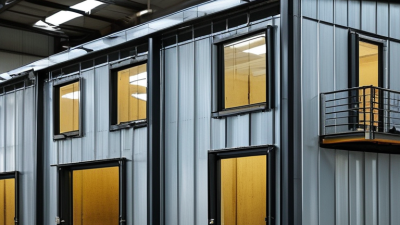
Have you heard about Modular Steel Structures? They're really changing the game in construction across China. These designs are super innovative—they make building faster and more flexible, which is a big deal these days. A lot of companies, like China Steel Corporation, are noticing their potential and jumping on board.
With cities growing and development happening at lightning speed, traditional building methods just can't keep up—they're often too slow. That's where Modular Steel Structures come in. They’re built off-site, so construction is quicker, and costs tend to be lower. Plus, since less material is wasted during manufacturing, it’s a more eco-friendly approach. It’s pretty exciting because it shows how much the industry is turning towards sustainability.
That said, there are still some hurdles. Not everyone in the field is familiar with these new types of structures, so there’s definitely a need for more training and technical know-how. As the industry continues to evolve, spreading that knowledge is crucial. Once builders understand all the benefits, they can start to come up with smarter, more efficient building solutions. So yeah, it’s an exciting time for construction, and Modular Steel Structures are definitely leading the charge.
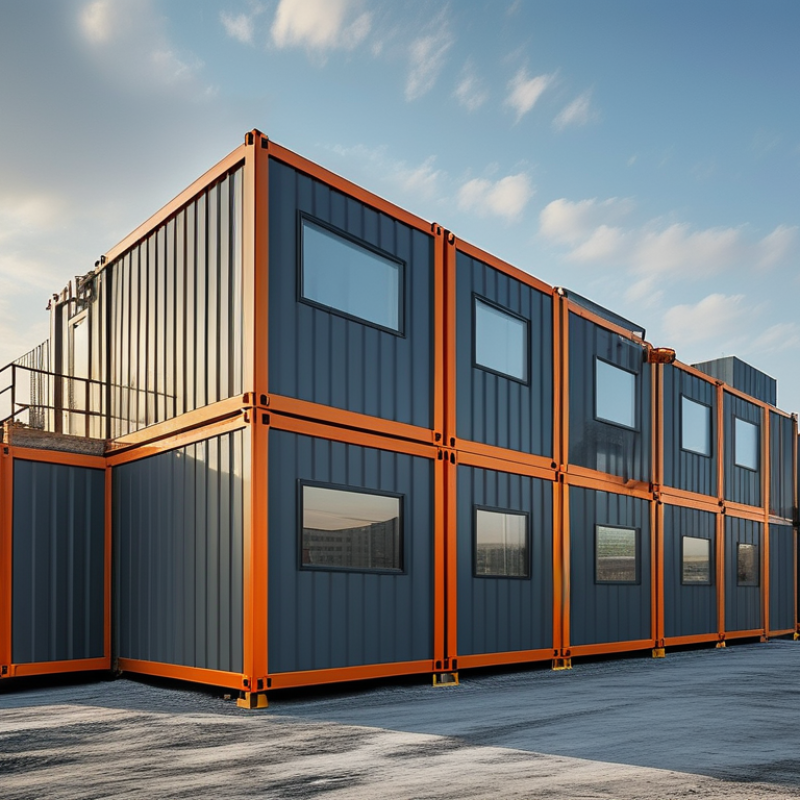
Overview of Modular Steel Structures in China
Modular steel structures have gained traction in China. They offer a flexible approach to construction, one that accommodates rapid urbanization. This trend is evident in several cities across the country, where demand for housing and commercial space continues to soar.
These structures are designed for quick assembly. They can be prefabricated off-site, reducing on-site construction time. This efficiency is appealing to developers facing strict deadlines. However, the quality of prefabricated components must be closely monitored. Although manufacturers strive for precision, variations can occur. This may lead to structural challenges.
Furthermore, modular steel buildings can be easily expanded or relocated. This adaptability suits the ever-changing needs of urban environments. Yet, the initial investment can be higher compared to traditional methods. It raises questions about long-term economic viability. How will companies balance upfront costs with future flexibility and efficiency? These considerations are essential for stakeholders looking to invest in modular steel solutions.
Historical Development of Modular Construction in China
The evolution of modular construction in China traces a path of innovation and adaptation. In the early 2000s, traditional building methods dominated the market. However, the need for rapid infrastructure development led to a shift. By 2010, modular structures began gaining attention. Reports indicated that the modular construction market could reach $185 billion by 2025, driven by urbanization and environmental concerns.
Regions like Shanghai and Beijing are at the forefront. They have implemented modular solutions in housing and commercial projects. For instance, in 2018, a modular structure was completed in just 15 days. This efficiency highlights the potential benefits of this method. However, challenges remain. Quality control and design limitations still pose hurdles for wider adoption.
Research from industry experts suggests that modular structures could reduce waste by up to 70%. This statistic is promising, yet the reality is complex. Not all modular projects achieve this benchmark. There is a need for ongoing evaluation. The historical context reveals that while modular construction is poised for growth, it demands careful consideration of both benefits and limitations.
Key Benefits of Modular Steel Structures for Construction Projects
Modular Steel Structures are revolutionizing construction in China. They offer a flexible solution for various projects. These structures can be assembled quickly, reducing overall construction time. Workers benefit from the efficiency, allowing them to focus on quality.
One significant advantage is the sustainability of modular steel structures. They are made from recyclable materials, which minimizes waste. Additionally, they can be designed to be energy-efficient. This helps address environmental concerns in urban settings. Many companies overlook the importance of sustainability, but it can affect public perception.
Cost savings are another key benefit. Modular steel structures can lower labor costs significantly. They are prefabricated, which means fewer delays during construction. However, initial investments may seem high. Long-term savings can outweigh upfront costs. It's essential to analyze both short and long-term benefits to make informed decisions. Balancing these factors is not always easy.
Comparison of Modular Steel and Traditional Building Methods
Modular steel structures offer significant advantages over traditional building methods, especially in China’s rapidly evolving market. A report from the China Steel Industry Association highlights that modular construction can reduce project timelines by up to 40%. This efficiency stems from off-site fabrication, where components are manufactured in a controlled environment. When they arrive at construction sites, the assembly process is streamlined, requiring fewer skilled workers and reducing labor costs.
In contrast, traditional building methods often face delays due to weather and site conditions. According to industry analysis, buildings constructed using conventional methods can take up to 30% longer to complete. In urban areas, space constraints create additional challenges, leading to increased costs and project overruns. Modular steel structures alleviate these issues, providing a flexible design that can adapt to various space limitations. However, there are still concerns about the perception and acceptance of modular designs in certain regions.
Moreover, sustainability is a crucial factor. Industry studies indicate that modular construction uses materials more efficiently, leading to less waste—up to 20% lower than traditional methods. Yet, questions remain about the lifecycle impacts of steel versus traditional materials, posing a critical point for future considerations in sustainable building practices.
Sustainability and Environmental Impact of Modular Steel Structures
The sustainability of modular steel structures is a vital topic in today's construction industry. These structures use fewer materials and generate less waste compared to traditional methods. Modular designs allow for prefabrication, leading to reduced on-site construction time. This process lowers energy consumption, making it an efficient choice for builders.
In China, the environmental impact is crucial. The use of recyclable steel contributes to the circular economy. Steel buildings and structures can be dismantled and repurposed. This reduces the need for new materials and minimizes landfill waste. However, not all modular structures achieve similar sustainability levels. Not all projects prioritize environmentally friendly practices.
Challenges do exist. There are concerns about the carbon footprint from steel production. While modular designs improve efficiency, the sources of steel matter. When procured responsibly, these structures can support a greener future. Awareness and education about these aspects are essential for sustainable growth in the construction sector.
Economic Advantages of Modular Steel Structures in the Chinese Market
Modular steel structures are gaining traction in China. They offer numerous economic benefits that are hard to ignore. One of the most significant advantages is reduced construction time. Traditional methods can take months to complete a project. With Prefabricated steel structures, components are made off-site and assembled quickly. This efficiency saves costs and minimizes labor expenses.
Labor shortages can impact progress in construction. However, modular designs mitigate this issue. They require fewer workers on-site, which can be a game changer in areas facing labor shortages. In addition, these structures prove to be durable and cost-effective over time. Their longevity ultimately leads to lower maintenance costs. It’s important to reflect on potential drawbacks, such as higher initial investments. However, many find the long-term savings outweighs these concerns.
China's growing economy demands innovative solutions. Modular steel structures are increasingly viewed as a viable option. Businesses can reduce waste and improve safety on-site. Adopting this technology shows a commitment to sustainable practices. It’s clear that the advantages of prefabricated steel structures make them a compelling choice for the future of construction.
Future Trends in Modular Steel Construction in China
The future of modular steel construction in China looks promising. According to a report from MarketsandMarkets, the modular construction market is projected to grow at a compound annual growth rate (CAGR) of 6.0% from 2021 to 2026. This growth is driven by increasing urbanization and the need for rapid construction solutions. Modular steel structures offer flexibility, speed, and sustainability, making them ideal for various projects.
One significant trend is the integration of smart technology into modular steel designs. As cities become smarter, the demand for intelligent building solutions increases. Sensors embedded in steel structures can monitor performance and energy usage in real time. This advancement enhances operational efficiency and reduces costs over the building’s lifespan.
Additionally, sustainability remains a key focus. A report by the World Green Building Council highlights that modular buildings use less material and produce less waste compared to traditional methods. However, challenges persist. The perception of modular construction as being of lower quality than traditional buildings still needs addressing. Continued education and awareness are essential for industry stakeholders to embrace modular systems fully.
FAQS
: Modular construction involves prefabricated sections built off-site. These sections are then transported and assembled quickly on-site.
They reduce construction time, labor costs, and waste. Buildings can be completed much faster than traditional methods.
Reports indicate modular construction can cut timelines by up to 40%. This efficiency is significant for rapid development.
Yes, challenges include quality control issues and design limitations. These factors can hinder broader adoption.
Modular building methods can produce up to 70% less waste. However, not all projects achieve this efficiency.
Yes, they typically need fewer workers on-site. This reduces costs and is helpful in areas with labor shortages.
Modular steel structures are designed to be durable. Over time, they can lead to lower maintenance costs.
Higher initial investments can be a drawback. Reflecting on long-term savings may help justify these costs.
Urbanization drives demand for quick construction solutions. Modular methods can adapt to space constraints and busy schedules.
Yes, some regions may be hesitant. Perception and acceptance of modular designs still need to improve for wider use.
Conclusion
Modular Steel Structures are revolutionizing the construction landscape in China, offering a modern approach that blends efficiency and sustainability. The historical development of modular construction highlights its increasing adoption, driven by the need for faster project completion and reduced labor costs. Key benefits include enhanced flexibility in design, superior quality control due to factory fabrication, and quicker assembly on-site, making these structures ideal for a variety of projects.
Comparatively, Modular Steel Structures outperform traditional building methods in several aspects, particularly in their environmental impact and economic advantages. With a focus on sustainability, these structures utilize materials more efficiently, minimizing waste and energy consumption. As China continues to embrace modular construction, the future promises further innovations and growth in this sector, reinforcing its pivotal role in the country's construction industry.