Supply high-quality steel structure solutions

Prefabricated buildings are really changing the game in China's construction scene. With rapid urban growth happening left and right, there's been a huge spike in the need for quicker, more efficient building methods. Think about what Dr. Li Wei from China Construction Technology Corp. mentioned—he believes that prefab buildings can cut down construction time and reduce waste quite a bit. It’s a win-win, especially when resources are tight and economies are tight too.
Basically, these buildings are made up of pre-made parts that get assembled right on-site. It’s a clever way to keep quality in check while also being flexible enough to adapt quickly to the local conditions. That said, mixing this new tech with traditional construction still has some hurdles—like some folks worry about whether these structures will hold up over the long haul.
And let’s not forget about sustainability. A lot of prefab options use eco-friendly materials and are designed to be energy-efficient, which lines up nicely with China’s push towards greener building practices. Still, there's some skepticism floating around—the industry’s still figuring out just how reliable and durable these buildings really are. As they keep pushing forward, it's important to keep looking at real-world examples to see how these buildings actually perform over time. Doing so will help us understand both the perks and the challenges of prefabrication better.
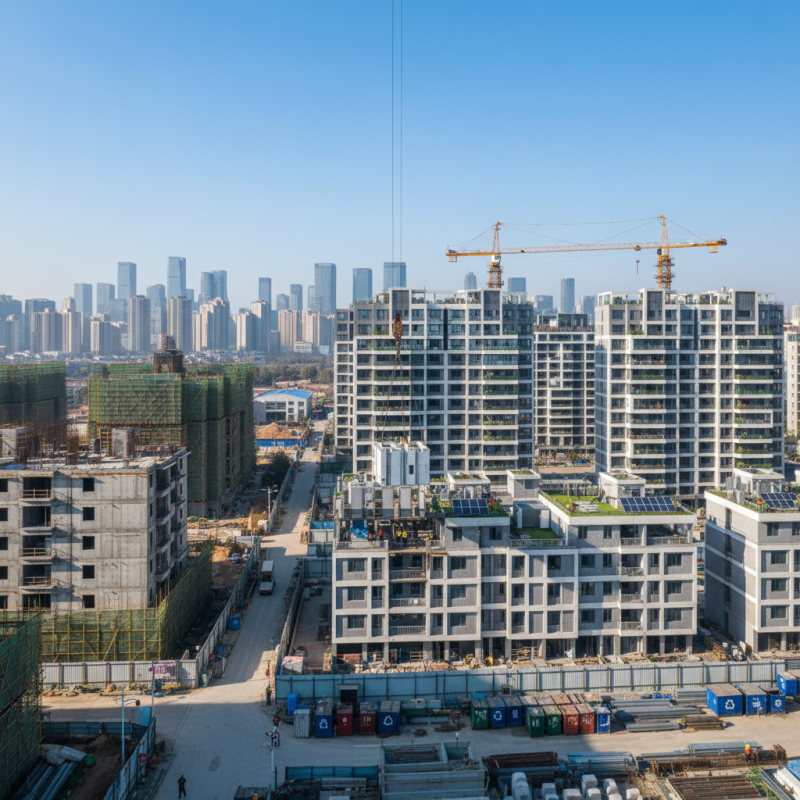
Prefabricated buildings are becoming more popular in China. They offer numerous benefits. These structures are often quicker to assemble compared to traditional buildings. This speed helps meet the demand for housing and infrastructure. Cities can grow faster. Moreover, prefabrication typically reduces construction waste. Efficient designs lead to less material being discarded.
Another significant trend is energy efficiency. Many prefabricated buildings use sustainable materials. They often include advanced insulation. This can lower energy costs for homeowners. However, concerns exist regarding the long-term durability of prefabricated structures. Some may worry they lack stability in extreme weather. Addressing these issues is crucial for widespread acceptance.
Despite the benefits, the market still faces challenges. Regulations and standards vary greatly. Local authorities may not fully understand prefabricated construction. This could slow down the adoption. As the industry evolves, education may play a vital role. Stakeholders must share knowledge and experiences. Only then can prefabricated buildings truly thrive in China's changing landscape.
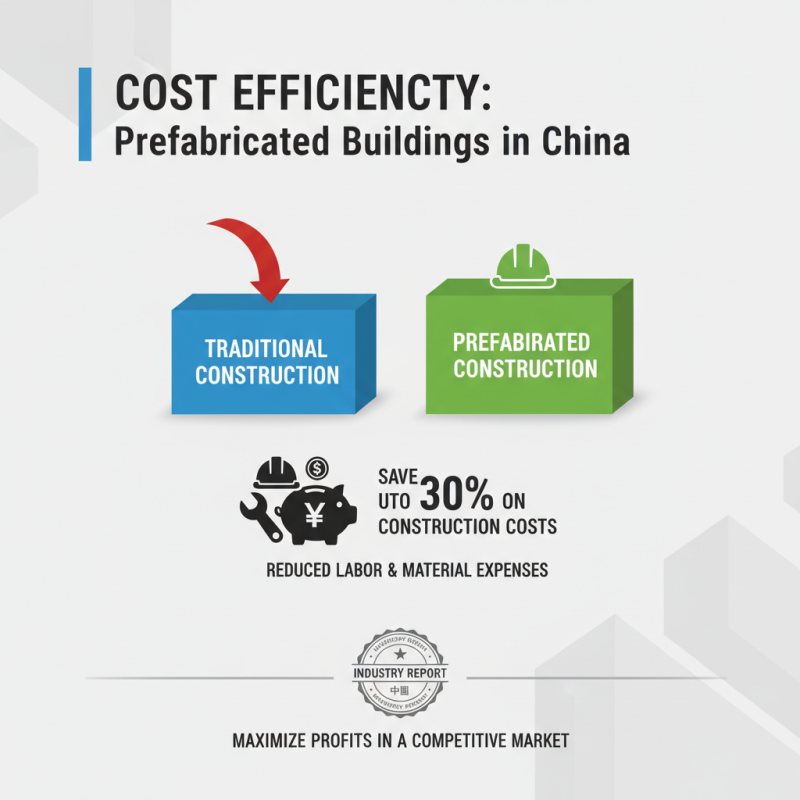
Prefabricated buildings are becoming increasingly popular in China. They offer significant cost efficiency, particularly regarding construction and labor expenses. According to industry reports, these structures can reduce construction costs by up to 30%. This is crucial for developers seeking to maximize profit margins in a competitive market.
Labor costs are another area where savings are evident. Prefabricated construction techniques streamline the building process. Fewer workers are needed on-site, which can lead to a reduction in labor costs by approximately 20%. This is especially beneficial in urban areas where labor prices are rising. Prefabrication also minimizes construction delays, allowing for faster project completion, which again impacts overall costs positively.
Tip: When considering prefabricated buildings, evaluate the design flexibility available. Customization can influence costs, so explore various design options within your budget. Also, keep in mind that the initial savings on labor and materials may sometimes result in higher transportation costs for prefabricated elements.
Another aspect to reflect on is quality control. Prefabricated components undergo stringent manufacturing standards, reducing waste. However, if transportation is poorly managed, damage may occur, leading to unexpected expenses. Despite the overall advantages, it is vital to weigh these considerations against potential drawbacks.
Prefabricated buildings in China have transformed project timelines significantly. Reports from the China Academy of Building Research indicate that prefabrication can reduce construction time by up to 50%. This acceleration is crucial, particularly in urban environments where space and time constraints are paramount. Prefabricated components are manufactured off-site. This allows for simultaneous site preparation, leading to faster overall project completion.
Data from the National Bureau of Statistics highlights that traditional construction methods face delays due to weather and labor shortages. In contrast, prefabricated techniques mitigate these issues. For instance, a high-rise building assembled with prefabricated modules can be completed in six months rather than a year. This reduction enhances productivity and allows for better project scheduling.
However, the shift to prefabrication is not without challenges. There is often a steep learning curve for construction teams. Some workers may resist adopting new technologies or methods. Moreover, quality control must be stringent to avoid defects that can arise during off-site manufacturing. Addressing these hurdles is essential for maximizing the benefits of prefabricated construction in China.
In the realm of construction, prefabricated buildings are transforming how projects are executed in China. One of the most significant advantages lies in quality control. By producing components in a factory environment, builders can ensure more consistent standards. Factories can maintain precise measurements, leading to fewer discrepancies. This eliminates many common construction errors found on traditional job sites.
Moreover, the controlled environment allows for better material management. Temperature and humidity levels can be optimized, reducing risks of defects. Workers in factories undergo specific training, enhancing their skills in assembly and quality assurance. Yet, challenges exist. Not every factory maintains the same level of quality, and oversight is essential. Supply chain issues can also affect consistency.
While prefabricated buildings offer notable benefits, the industry must ensure that all factories adhere to high standards. Anomalies might occur; thus, thorough inspections should be standard practice. The focus on quality control is crucial for maximizing the advantages of prefabrication. Investing in training and technology will be essential to uphold these standards going forward.
Prefabricated buildings have gained attention in China for their sustainability impact. These structures can significantly reduce environmental footprints. Reports show that using prefabricated designs can decrease construction waste by 30% to 50%. This reduction is vital, considering that construction waste contributes to nearly 40% of total waste in urban areas.
Using prefabricated methods, energy consumption during production is lower. Some studies indicate that energy use can be reduced by 20% to 30% compared to traditional building methods. This efficiency leads to decreased carbon emissions associated with construction. However, one must consider that not every prefabricated design is inherently sustainable. The materials used can vary widely in environmental impact, making careful selection crucial.
Moreover, while prefabricated buildings offer a quicker assembly process, the long-term benefits depend on effective maintenance and integration into local environments. If not designed for local climates, these structures may suffer from performance issues, leading to higher energy use over time. Continuous evaluation of practices and materials is necessary to ensure that the sustainability goals are met.
The prefabricated building industry in China is experiencing remarkable growth. Recent statistics indicate a significant increase in the demand for these structures. Market analysts project the sector will expand by 15% annually over the next five years. This growth is driven by urbanization trends and the need for quick construction solutions.
Tips: Consider the environmental benefits of prefabricated buildings. They often result in less waste compared to traditional building methods. Being efficient in resource use can appeal to eco-conscious investors.
However, challenges persist. Quality control in manufacturing can be inconsistent. Some buildings face structural issues if not properly overseen. The industry must address these concerns to maintain trust. Investment in technology might help mitigate these risks, leading to a more reliable outcome.
As the market evolves, the focus should remain on sustainable practices. This could further boost the industry's reputation. Collaboration among stakeholders can play a crucial role in achieving this goal.
The Chinese government has shown strong support for prefabricated construction. Various policies encourage the adoption of prefab buildings. For instance, the "13th Five-Year Plan" aggressively promotes green building technologies. By 2025, the goal is to have 15% of new buildings as prefabricated structures.
Data from the China Academy of Building Research states that prefabricated buildings can reduce construction time by up to 50%. This not only speeds up development but also minimizes labor costs. In cities facing housing shortages, quick solutions are vital. Prefab homes meet this need swiftly.
However, challenges remain. Some construction companies lack expertise in modular construction techniques. This skill gap can lead to quality issues. Regulatory hurdles also exist with standards not uniformly applied. While government support is robust, on-ground implementation can be inconsistent. Addressing these issues is essential for realizing the full potential of prefab construction in China.
: Prefabricated buildings are quicker to assemble and reduce construction waste. They help meet housing demands swiftly.
Many use sustainable materials and advanced insulation, lowering energy costs for homeowners.
Yes, some worry they may lack stability in extreme weather conditions. This concern needs addressing.
Regulations vary significantly, and some authorities do not fully understand prefabricated construction.
The government promotes green building technologies, aiming for 15% of new buildings to be prefabricated by 2025.
Absolutely, they provide quick housing solutions, especially in cities experiencing shortages.
Some companies lack expertise in modular construction techniques, potentially leading to quality issues.
While support exists, on-ground implementation can be inconsistent, which may hinder progress.
Sharing knowledge among stakeholders is vital for acceptance and improvement in the market.
Prefabricated buildings can reduce construction time by up to 50%, benefiting development speed.
Prefabricated buildings are rapidly gaining popularity in China due to their numerous benefits, which include cost efficiency, time savings, and enhanced quality control. By utilizing prefabrication techniques, construction projects can significantly reduce labor and material costs while also accelerating timelines, allowing for faster project completion. The controlled factory environment ensures higher construction standards, contributing to the overall quality of the buildings.
Additionally, the environmental impact of prefabricated buildings is noteworthy, as they often employ sustainable materials and processes, aligning with the growing emphasis on eco-friendliness in the construction industry. The market for prefab buildings in China is also seeing robust growth, supported by favorable government policies that promote innovative construction practices. This comprehensive overview underscores the transformative potential of prefabricated buildings in addressing modern housing and infrastructure challenges in China.