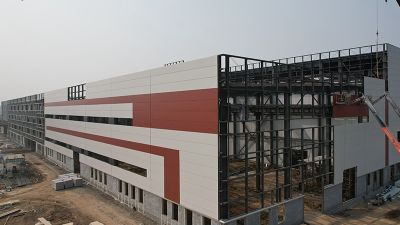
In the fast-paced world of construction right now, choosing the right steel building material is more important than ever. Experts like John Smith, who’s a well-known material scientist over at Steel Innovations Ltd., often say things like, "The right steel can really boost the strength and durability of a structure." As buyers from all over the world look for reliable and sturdy options, China’s market actually has some pretty unique advantages.
China, with its huge range of resources, offers a bunch of different steel options for building. But honestly, navigating this market isn’t always straightforward—there’s a lot to consider. While there are tons of opportunities, there are also some tricky challenges to watch out for. It’s super important to get a good handle on how reputable local suppliers are because the quality can vary quite a bit, and not every producer sticks to international standards.
Plus, Material Steel Framing keeps popping up in conversations about the industry. It’s a great resource for learning about new building techniques. Experienced buyers will tell you that you really need to put products through rigorous testing and verification before making a final call. Making smart, informed choices can save you a lot of trouble down the line. Sadly, many folks tend to overlook this step, which can lead to issues later on. Looking back on past purchases might reveal some details you might’ve missed or underestimated. To truly succeed in sourcing the right steel, you have to combine solid knowledge with careful judgment—it's all about finding that sweet spot.
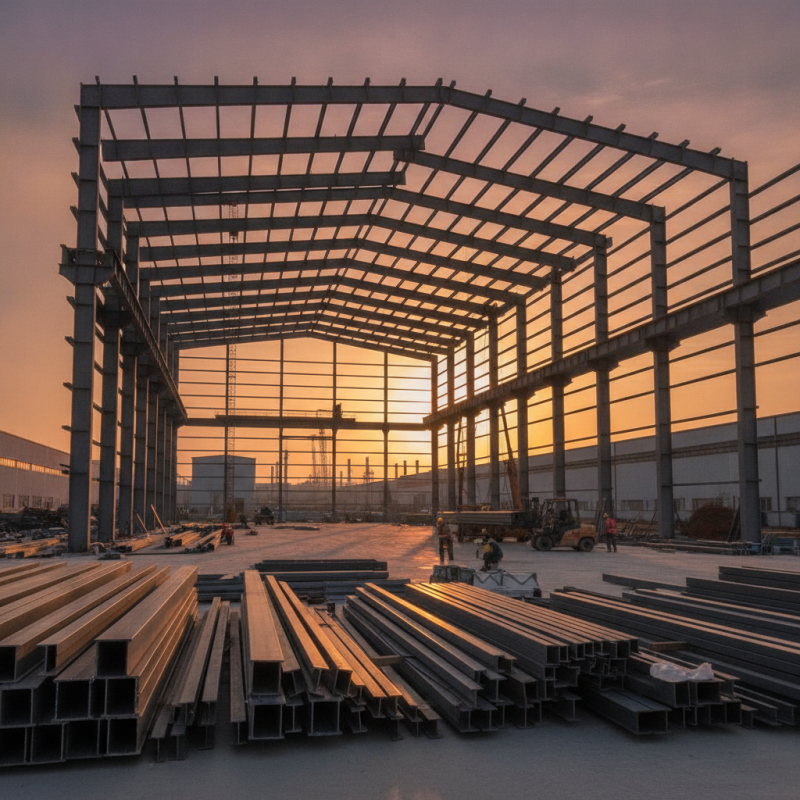
Overview of Steel Building Materials Available in China
China is a leading supplier of steel building materials for global buyers. Its vast production capacity plays a significant role in meeting international demands. According to a report by the China Iron and Steel Association, the production of crude steel reached approximately 1.03 billion tons in 2021, marking a steady increase in output. This abundance facilitates a diverse range of Construction Material options.
Steel sections, plates, and bars are prevalent in China's construction industry. These components are essential for structural integrity in various projects. The availability of high-strength steel at competitive prices makes it appealing for many developers. However, quality can vary widely. Buyers must perform due diligence to ensure they source reliable materials.
Additionally, China's environmental regulations are evolving, impacting steel production. The push for greener practices may affect the overall supply chain. This transition, while necessary, can lead to fluctuations in material availability. Global buyers should stay informed on these trends to navigate potential challenges effectively. The reliance on China's steel building materials continues, yet careful consideration of quality and compliance is vital.
Key Features and Benefits of Chinese Steel Materials
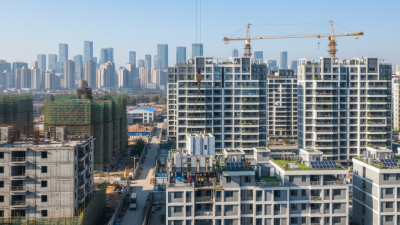
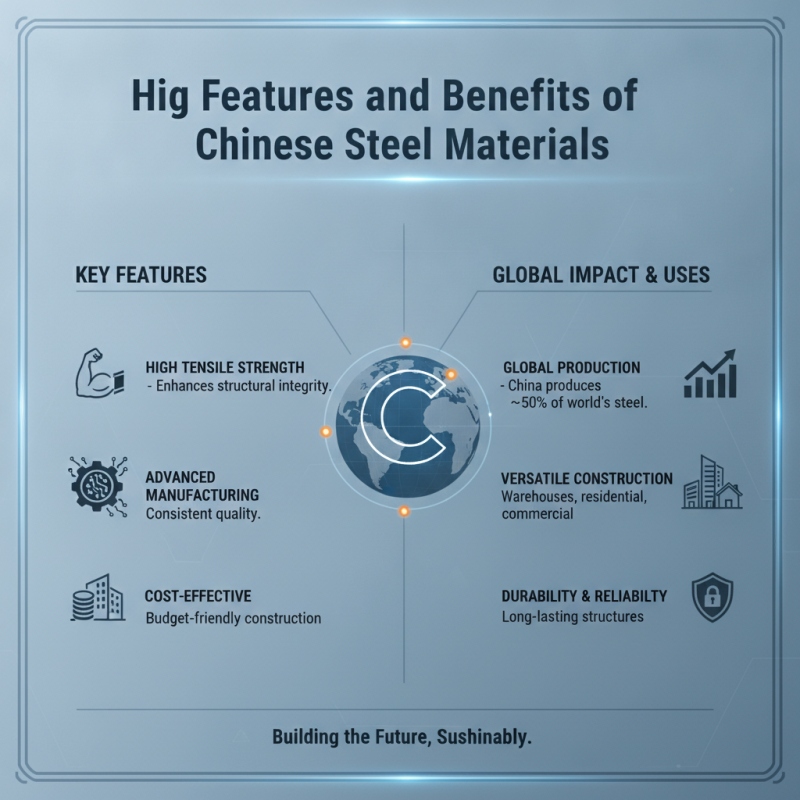
Chinese steel building materials are gaining global recognition due to their durability and cost-effectiveness. These materials are key for constructing various structures, ranging from warehouses to residential buildings. According to recent industry reports, China produces about 50% of the world's steel, demonstrating its dominance in the sector. One notable feature of Chinese steel is its high tensile strength, which enhances structural integrity. The use of advanced technology in manufacturing ensures consistent quality across different lots.
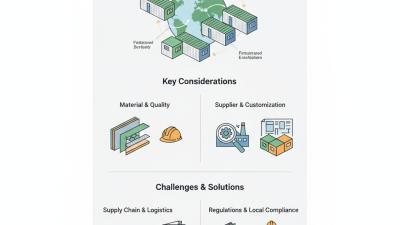
Prefabricated Materials have become increasingly popular. They offer quicker assembly times, reducing overall project timelines. Experts suggest that prefabricated components can save up to 30% in construction time compared to traditional methods. Moreover, they often lower labor costs and minimize waste. However, buyers should be aware that the customization of prefabricated material can sometimes lead to higher costs. This emphasizes the need for careful planning and budgeting.
When selecting steel materials, consider their environmental impact. Reports indicate that the production of steel contributes significantly to carbon emissions. Opting for materials from companies that prioritize sustainable practices can make a difference. Always verify suppliers’ certifications to ensure compliance with international standards. Remember, the choice of steel affects not just structural safety but also long-term sustainability.
Popular Types of Steel Used in Construction in China
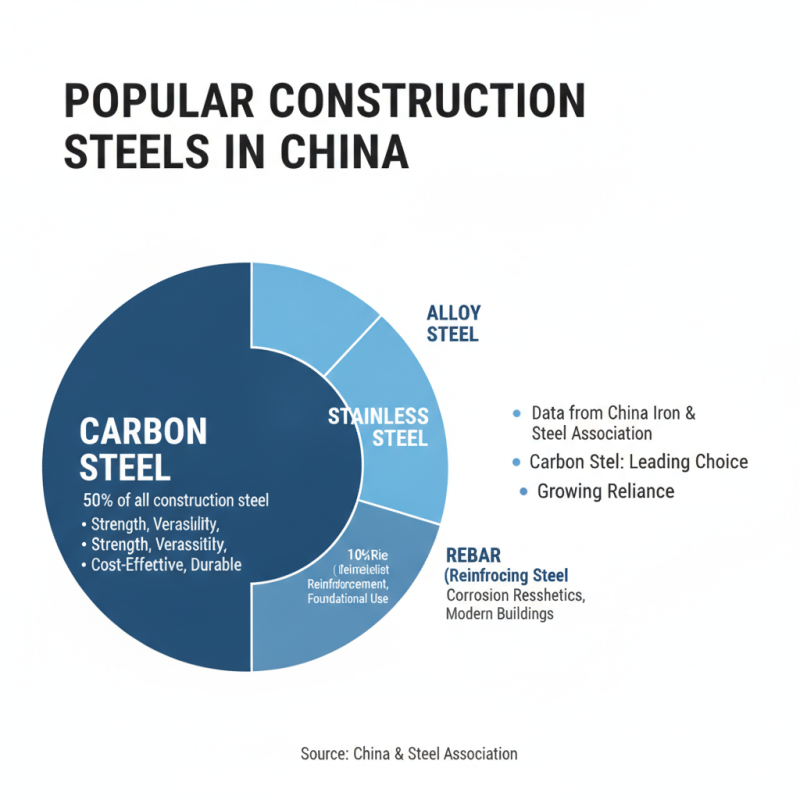
In China, several types of steel have become popular choices for construction projects. Carbon steel is favored for its strength and versatility. It accounts for over 50% of the steel used in construction. Data from the China Iron and Steel Association highlights a growing reliance on this material due to its cost-effectiveness and durability.
Another prominent type is stainless steel, known for its corrosion resistance. It is commonly used in high-end buildings and infrastructure. According to a recent market analysis, stainless steel consumption in construction is increasing yearly, driven by urbanization. Its aesthetic appeal also makes it a choice for architects.
Tips: When selecting steel building materials, consider local environmental conditions. Different steel types react differently to moisture and temperature changes.
While steel building materials in China are advanced, challenges remain. Quality control can be inconsistent across suppliers, affecting structural integrity. Therefore, thorough inspections are crucial to ensure quality. When dealing with Steel Building Steel, always verify technical certifications from manufacturers.
Leading Manufacturers of Steel Building Materials in China
The steel building materials industry in China has experienced significant growth. Reports suggest that it accounts for over 30% of the global market share. This highlights China’s leading position in manufacturing. Several manufacturers specialize in various types of steel materials, including structural steel and pre-engineered buildings. The demand for structures such as the Steel Pole Building has been increasing due to their durability and cost-effectiveness.
Chinese manufacturers focus on innovation and sustainability. Many have adopted eco-friendly practices to reduce their carbon footprint. According to current industry data, around 60% of Chinese steel manufacturers have invested in cleaner production technologies. However, challenges remain, such as fluctuating steel prices and environmental regulations. These factors can impact the competitiveness of manufacturers.
In addition to new technologies, the workforce plays a crucial role. Skilled labor is essential for maintaining quality standards. Some factories face shortages in trained personnel, which affects production quality. Overall, the landscape for steel building materials in China is robust, yet it demands continuous improvement and adaptation to global trends.
Best Steel Building Materials in China for Global Buyers
| Material Type |
Standard Grade |
Common Applications |
Average Price (per ton) |
Key Features |
| Hot Rolled Steel |
Q235 |
Structural beams, pipelines |
$500 |
High ductility, good weldability |
| Cold Rolled Steel |
SPCC |
Metal sheets, automobile parts |
$600 |
Smooth finish, precise dimensions |
| Galvanized Steel |
DX51D |
Roofing, fencing |
$750 |
Corrosion resistance, durability |
| Stainless Steel |
304 |
Kitchen appliances, medical equipment |
$2500 |
Excellent corrosion resistance, aesthetic appeal |
| High Strength Low Alloy Steel |
S355 |
Heavy-duty structures, bridges |
$800 |
High tensile strength, better toughness |
Quality Standards and Certifications for Steel Products
When sourcing steel building materials from China, quality standards and certifications become paramount. Internationally recognized standards such as ISO 9001 and ASTM ensure that products meet rigorous specifications. According to a recent report by the World Steel Association, about 80% of steel produced in China complies with such international standards.
Certification processes can sometimes seem convoluted. It's essential for buyers to verify the authenticity of provided certificates. Many suppliers claim adherence to standards but may lack the necessary documentation. Regular audits and third-party inspections can help uphold quality levels. The reliability of the supplier greatly influences the overall integrity of the project.
**Tip:** Always request certifications directly from the manufacturer. This practice can avoid potential issues down the line.
Moreover, understanding local regulations in China is also crucial. Some regions may have stricter standards, which can affect the supply chain. Researching the specific certifications relevant to your project will ensure compliance and quality assurance. Make informed decisions to mitigate risks associated with substandard materials.
**Tip:** Consider establishing long-term relationships with suppliers. This strategy often yields better assurance of quality and consistency.
Cost Considerations for Global Buyers of Chinese Steel
When considering steel building materials from China, cost is a significant factor for global buyers. The price of steel fluctuates based on market demand, production costs, and raw material availability. Buyers must account for these variables when planning projects. Bulk purchases may yield discounts, but market volatility can still affect final pricing.
Transportation costs are another critical consideration. Shipping steel internationally can be expensive and time-consuming. It's essential to evaluate both shipping fees and import duties. Sometimes, local regulations add unforeseen expenses. Buyers should conduct thorough research to avoid budget overruns.
Expectations around quality must also be managed. Not all manufacturers provide the same standard of steel. Some may cut corners to reduce costs. Buyers need to vet suppliers carefully. Conducting audits and quality checks before purchases helps ensure reliability. Transparency in supply chains can enhance trust in the chosen materials.
Logistics and Export Processes for Steel Materials from China
Logistics and export processes for steel materials from China are complex yet crucial for global buyers. According to a report by ResearchAndMarkets, the Chinese steel industry significantly contributes to global supply, accounting for over 50% of total steel output. This high production capacity requires an efficient logistics network.
When exporting steel, quality and compliance are paramount. Certificates of compliance and third-party inspections are often necessary. Delays in documentation can lead to shipping setbacks. In 2022, a survey indicated that 30% of exporters faced issues with customs clearance. Navigating these challenges requires expertise.
Additionally, transport costs play a significant role. The price of shipping containers has fluctuated greatly, impacting overall expenses. As per the World Bank, logistics costs in China are estimated at 9% of GDP, relatively high compared to global averages. Buyers must consider these factors during procurement. Effective communication with suppliers and freight forwarders enhances transparency and reduces risks. Each step in the export process demands careful planning and execution for successful trade in steel materials.
Best Steel Building Materials in China for Global Buyers
Innovative Solutions for Efficient Space Management: Exploring Engineered Steel Prefab Storage and Workshop Structures
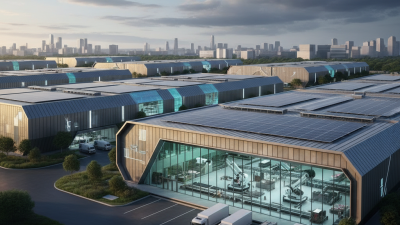
The demand for innovative solutions in space management has surged, particularly in the context of modern logistics and storage requirements. Engineered steel prefab structures stand at the forefront of this trend, providing efficient and effective options for a variety of applications. According to recent industry reports, the global modular construction market is projected to reach $157 billion by 2023, with a significant portion driven by the need for adaptable storage and workshop facilities.
Zhisheng prefab steel buildings exemplify the qualities essential for meeting contemporary demands. With high structural reliability, these buildings are engineered to withstand diverse environmental conditions while offering fast construction timelines that cater to urgent project requirements. Flexible design capabilities ensure that these structures can be tailored to serve multiple purposes, making them ideal for self-storage facilities, workshops, warehouses, and logistics centers. The versatility of prefab solutions also translates to reduced overall project costs and minimized construction waste, aligning with sustainability targets increasingly prioritized in the industry.
As logistics operations expand globally, the need for efficient space utilization becomes critical. Reports suggest that up to 30% of warehouse space is underutilized, emphasizing the need for adaptable designs that can evolve with changing operational needs. Engineered steel prefab structures not only address these challenges but also provide a scalable solution that can be easily configured or expanded as requirements change. Hence, the future of space management lies in the seamless integration of innovative prefab structures that facilitate growth and operational efficiency.
Conclusion
The article delves into the various steel building materials available in China, emphasizing their key features and benefits for global buyers. It outlines the popular types of steel used in construction within the country, such as structural steel and stainless steel, which are known for their durability and versatility. The piece also discusses leading manufacturers and the quality standards and certifications that ensure these materials meet international requirements.
Cost considerations for purchasing steel building material from China are addressed, highlighting the competitive pricing that global buyers can take advantage of. Furthermore, the article provides insights into the logistics and export processes necessary for transporting these materials worldwide, ensuring that buyers are well-informed about procurement options and procedures. Overall, this overview serves as a valuable resource for anyone looking to source steel building materials from China.