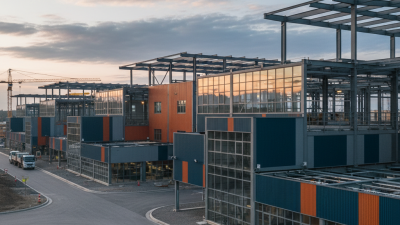
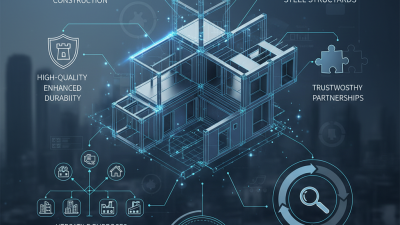
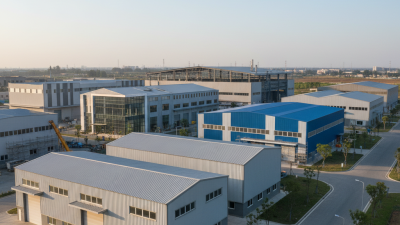
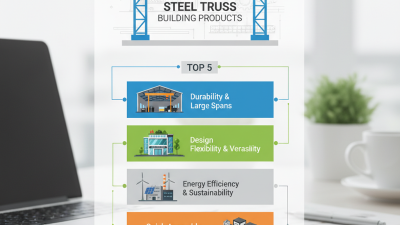
You know, these days in the construction world, Prefab Steel Structures are really starting to pick up pace. People love them because they’re efficient and last a long time. I remember reading what Thomas Anderson, a well-respected structural engineer, once said — he mentioned how prefab steel structures can totally change the game when it comes to project timelines and cutting down on waste. That quote really stuck with me because it shows how practical and beneficial these structures can be.
Basically, prefab steel structures are built for strength and easy, quick assembly. That’s a huge plus if you’re trying to wrap things up faster, especially with how everything’s moving at lightning speed nowadays. Plus, they’re made from top-quality steel, so you know they’re tough enough to handle all sorts of conditions. Of course, not everything’s perfect — sometimes, adapting them to specific sites or local rules can be a bit tricky.
And yeah, while the benefits are pretty obvious, it’s also smart to think about things like design flexibility and whether local regulations line up. Companies like SteelBuild Solutions are working hard to tackle these issues, which is awesome. At the end of the day, choosing prefab steel structures can seriously influence how successful your project turns out. So, it’s worth weighing the good stuff against any potential challenges before making a call.
Benefits of Prefab Steel Structures in Modern Construction
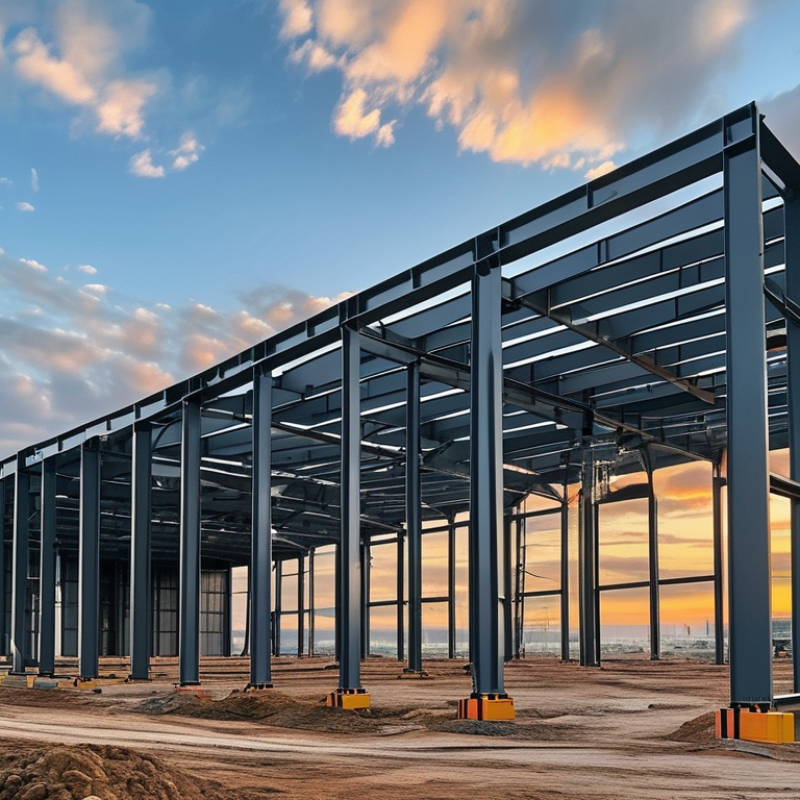
Prefab steel structures are revolutionizing modern construction. These buildings offer impressive advantages. They are durable, cost-effective, and environmentally friendly. Steel is strong and resistant to harsh weather, ensuring longevity. This durability reduces long-term maintenance costs, which is beneficial for any project.
One of the key benefits is quicker construction time. Prefabrication allows parts to be built off-site. Assembling at the location speeds up the entire process. Fewer delays mean less labor cost and quicker project completion.
Tips: When choosing steel structures, consider local regulations. Make sure your choice fits within zoning laws. Always consult with a structural engineer. Their expertise can help tailor the design to specific needs. Prefab steel may have design limitations. It's crucial to evaluate the project's requirements before proceeding.
Environmental Sustainability of Prefab Steel Building Solutions
Prefab steel structures are increasingly recognized for their environmental sustainability. They are often more efficient than traditional building methods. This efficiency begins with the sourcing of materials. Steel, a highly recyclable material, can be repurposed multiple times without losing its strength or quality. This reduces the demand for new raw materials and lessens the environmental impact associated with mining and processing.
Additionally, the construction process of prefab steel buildings generates less waste. Prefabrication allows for precise measurements and tailored designs, minimizing leftover materials. Construction sites are often cleaner and safer, as components are assembled off-site with minimal disruption. These benefits reflect a growing awareness of sustainability in construction.
However, it’s crucial to acknowledge the entire lifecycle of prefab steel buildings. While they offer many sustainable advantages, the production of steel consumes significant energy and has a carbon footprint. Addressing this issue requires innovation in energy sources and production methods. As the industry evolves, embracing renewable energy in steel manufacturing could enhance the sustainability of prefab solutions even further.
Cost Efficiency of Prefab Steel Structures Compared to Traditional Methods
Prefab steel structures have gained popularity for their cost efficiency, particularly when compared to traditional construction methods. One major advantage is the reduced labor costs. Prefabrication allows many components to be built off-site. This speeds up construction, limits site disruption, and minimizes labor hours. While initial costs may seem high, the long-term savings on labor and time are significant.
Another cost-saving aspect is the minimized material waste. prefab structures are manufactured using precise measurements and planning. This can lead to a more efficient use of materials. When projects are executed correctly, the financial benefits become evident. However, it’s essential to ensure quality control in the manufacturing process. Any oversight can lead to changes and additional expenses in the later stages of construction.
Additionally, prefab steel structures offer flexibility in design. They can be easily modified or expanded in the future, avoiding costly redesigns. This adaptability can make a significant difference in project budgets. Despite these advantages, it’s crucial to conduct thorough research before committing to prefab structures. Understanding the potential challenges and ensuring reliable sourcing will lead to more successful outcomes.
Why Choose Prefab Steel Structures for Your Next Project? - Cost Efficiency of Prefab Steel Structures Compared to Traditional Methods
| Aspect |
Prefab Steel Structures |
Traditional Construction |
| Initial Costs |
20-30% lower |
Higher Costs |
| Construction Time |
50% faster |
Longer Duration |
| Labor Costs |
Reduced by 15% |
Standard Labor Costs |
| Material Waste |
Minimal waste |
Higher waste rates |
| Sustainability |
Recyclable materials |
Various materials |
| Maintenance Cost |
Lower over time |
Higher over time |
Speed of Construction with Prefab Steel: A Time-Saving Advantage
Building projects often face tight deadlines. Prefab steel structures offer a solution that significantly speeds up construction times. According to a report by the Steel Construction Institute, projects using Prefab Metal Structures can reduce construction time by up to 50%. This rapid assembly process allows teams to focus on design and quality instead of extended building phases.
The efficiency of prefab steel can also lower labor costs. When assembling prefab structures, fewer workers are needed on-site. A 2021 report indicated that labor savings can reach 20-30% compared to traditional methods. However, relying solely on prefab solutions can lead to challenges. For example, not all designs suit prefabrication, and site-specific modifications can cause delays.
Despite these challenges, the advantages often outweigh the drawbacks. The modern construction landscape is complex and fast-paced. Incorporating prefab metal structures enhances flexibility while meeting deadlines. It is essential to weigh the project requirements before deciding, especially as industries evolve. Adopting innovative techniques is crucial but requires careful planning and consideration of each project's unique characteristics.
Durability and Longevity of Prefab Steel Structures
Prefab Steel Structures are increasingly favored for various construction projects, and durability is a key factor. Steel structures are known for their ability to withstand harsh weather conditions. They resist rust, corrosion, and even pests. This resistance ensures a longer lifespan compared to wood or concrete. However, some might underestimate the importance of maintenance. While steel is durable, regular inspections are needed to prevent long-term issues.
The longevity of prefab steel structures is another compelling reason for their choice. These structures can last for decades with minimal wear. Unlike other materials that may decay or weaken over time, steel maintains its integrity. Projects can be completed faster, leading to reduced costs. However, the initial investment might be higher than traditional materials. It requires careful budgeting and planning.
Flexibility in design can enhance both durability and longevity. Steel structures can be adapted for various uses. Future expansions are often easier with steel than with other materials. However, ensuring proper design specifications from the outset is crucial. Miscalculations can lead to vulnerabilities. Embracing prefab steel structures involves recognizing these factors to truly benefit from their superior qualities.
Design Flexibility Offered by Prefab Steel in Various Projects
When considering the design flexibility of prefab steel structures, the options are vast. Designers can easily adapt these structures to fit various project needs. steel building and structures allow for customization that traditional materials often can't match. For example, open floor plans can be achieved without interior support beams, creating versatile spaces. This feature is particularly beneficial for commercial settings, where large, uninterrupted areas are essential.
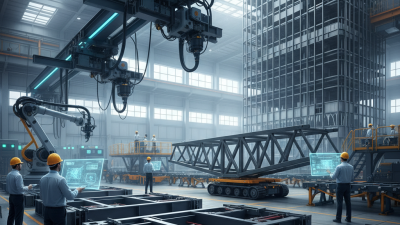
Additionally, prefab steel components can be manufactured off-site, which accelerates the construction process. Designers can incorporate complex shapes and unique designs without sacrificing structural integrity. The use of color and finishes allows for creative expression that resonates with the desired aesthetic. However, while flexibility is a major advantage, it can sometimes complicate the project if not carefully managed.
Iterating designs is easier with prefab structures, but it might lead to unexpected costs. There is also a learning curve for teams new to steel building and structures. But those who embrace this modern approach often find that the benefits outweigh the challenges. The result is a space that not only meets functional needs but also reflects the vision of the project.
Safety Features and Standards in Prefab Steel Construction
Prefab steel structures offer numerous safety features that can elevate construction standards. These buildings are designed to withstand harsh weather conditions. High-strength steel is used, making them resilient against natural disasters. Their design often includes features like fire-resistant materials and electromechanical systems that enhance safety.
The construction process adheres to strict regulations. Engineers ensure every component meets safety codes. Regular inspections are conducted throughout the building process. This guarantees that all standards are met. Despite these measures, some projects face challenges. For example, issues may arise from poor site conditions. Proper planning and risk assessment can mitigate these concerns.
Contractors must prioritize safety training for their teams. Understanding potential hazards is crucial in prefab construction. Collaboration with experts in safety protocols enhances project reliability. While prefab steel structures provide many safety advantages, commitment to continuous improvement is necessary. Every project offers an opportunity to learn and adapt for future success.
Sustainable Living: The Advantages of Modern Prefabricated Modular Steel Villas
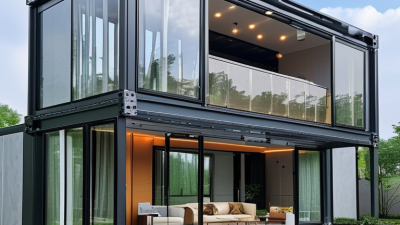
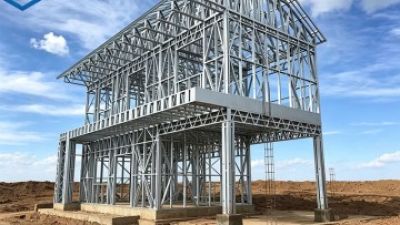
In the pursuit of sustainable living, modern prefabricated modular steel villas stand out as an innovative solution that merges functionality with eco-conscious design. Constructed with cold-formed steel frames, these light steel villas are not only lightweight but also remarkably sturdy, making them an excellent choice for various climates and conditions. Their inherent earthquake resistance ensures safety in seismically active regions, while the insulated roofs and prefab wall panels play a crucial role in heat preservation, significantly reducing energy consumption for heating and cooling.
One of the remarkable features of these steel villas is their quick assembly, allowing for swift project completion. This attribute is particularly beneficial for those seeking permanent homes or vacation houses, as it minimizes the wait time traditionally associated with home construction. Additionally, their customizable layouts cater to individual preferences, making them suitable for luxury modular housing. With a focus on eco-friendliness and durability, these villas represent a budget-friendly housing solution that meets the growing demand for sustainable living options. Embracing this modern approach not only enhances comfort and style but also contributes positively to the environment.
FAQS
: They are durable, cost-effective, and environmentally friendly. These buildings resist harsh weather and reduce maintenance costs.
Parts are built off-site, allowing quicker assembly at the location. This reduces labor costs and project completion time.
Check local regulations and ensure compliance with zoning laws. Consulting a structural engineer is also advised.
Yes, they use recyclable steel and generate less waste. This helps lessen the impact of mining and processing materials.
It allows for precise measurements and tailored designs, resulting in fewer leftover materials at the construction site.
Yes, prefab steel may have design constraints. Evaluating the project’s specific needs is essential before proceeding.
While steel can be recycled, its production consumes energy and has a carbon footprint. This is a critical area for improvement.
Using renewable energy in steel manufacturing could enhance sustainable practices in the future. We need more commitment to this.
Yes, since structures are assembled off-site, there’s minimal disruption. This leads to cleaner and safer construction environments.
The production process requires significant energy, which raises sustainability concerns. Balancing this is a complex challenge.
Conclusion
Prefab Steel Structures have emerged as a preferred choice in modern construction due to their numerous advantages. These structures promote environmental sustainability by utilizing recyclable materials and reducing waste. Additionally, they offer significant cost efficiency compared to traditional building methods, as they minimize labor and construction time. The quick assembly of prefab steel facilitates a faster project timeline, which is a crucial benefit for developers.
Furthermore, the durability and longevity of prefab steel ensure that structures withstand the test of time, while their inherent design flexibility allows for customization across various project types. Safety is also a priority, with stringent standards ensuring reliable and secure construction practices. Overall, choosing prefab steel structures not only supports a sustainable approach to building but also provides economic and practical advantages in the construction industry.