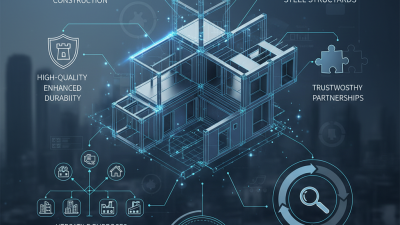
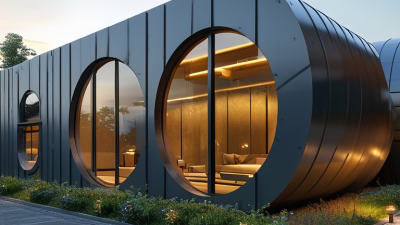
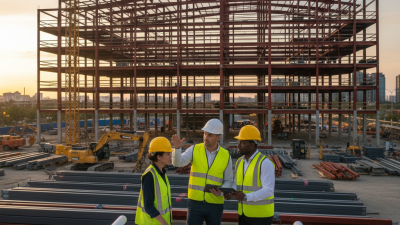
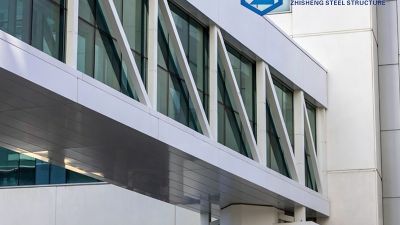
Lately, people have really started buzzing about Steel Structure Houses. Honestly, it’s become quite a hot topic in the construction world. More and more builders and homeowners are leaning towards steel these days — it’s just so durable and efficient. I mean, who wouldn’t want a house that lasts longer and needs less maintenance, right?
When you’re thinking about your next project, it’s worth taking a moment to consider the material you’ll use. Steel houses, for instance, come with some pretty sweet perks—like lower upkeep costs and quicker building times. Plus, they can handle even the worst weather without breaking a sweat, which means they’re safe and built to last. And if you’re into unique designs, steel gives you a lot of room to get creative.
Of course, jumping into a steel structure isn’t just a walk in the park. It takes some planning and know-how. There are a few hurdles too—like upfront costs and making sure you source quality materials. But honestly, just like with anything, it’s all about weighing the good and the bad. In the end, picking a steel structure should totally match your vision and your sustainability goals. So, it’s definitely worth considering if you’re into building something solid and future-proof.
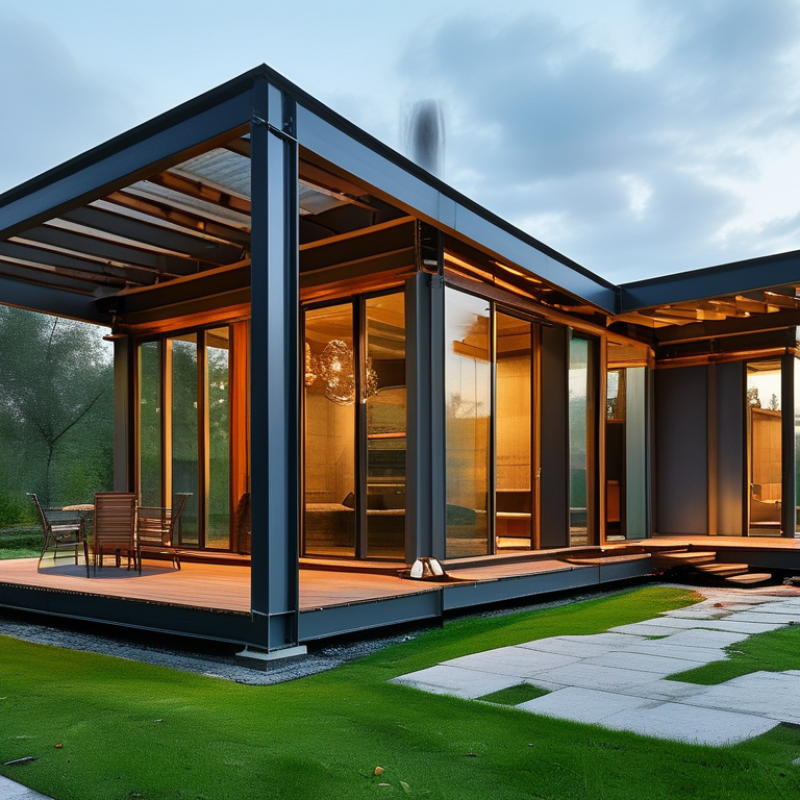
Benefits of Steel Structure Houses Compared to Traditional Options
Steel structure houses are becoming increasingly popular in construction. They present several advantages over traditional building methods. One notable benefit is durability. Steel is resistant to pests, rot, and extreme weather. These properties lead to longer-lasting homes with lower maintenance costs. Building with steel can help assure homeowners of a secure investment.
Another significant factor is speed. Steel components can be prefabricated and assembled quickly on-site. This efficiency reduces labor time and minimizes construction delays. Homeowners can move into their new houses faster than with conventional construction. Additionally, the design flexibility of steel allows for open floor plans and unique shapes, catering to personal style and practical needs.
Cost-effectiveness is also a critical consideration. Although the initial investment might be higher, the long-term savings on repairs and maintenance are substantial. Steel structures are energy-efficient, which can further lower utility bills. However, it’s essential to consider local regulations and climate when choosing materials. Reflecting on these points can help ensure a suitable decision for future projects.
Durability and Longevity of Steel in Construction
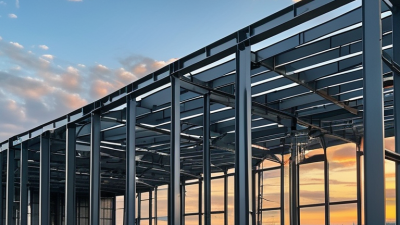
Steel structures have become increasingly popular in construction due to their unparalleled durability. The strength of steel allows buildings to withstand extreme weather conditions. For instance, steel structures can resist high winds and heavy snow loads. This resilience translates to lower maintenance costs over time. A well-designed steel beam house can last for decades without serious issues.
Longevity is another crucial factor in choosing steel for construction. Unlike traditional wood homes, steel does not warp or rot. This resistance to decay means your investment remains sound over the years. Projects built with steel can minimize the likelihood of termite damage as well. However, not all environments are equally suitable for steel. Corrosive elements such as saltwater can pose challenges. Proper treatment and maintenance become essential in these cases.
Additionally, the use of steel in construction allows for flexibility in design. Steel Beam Houses can cover large spans, creating open spaces that enhance functionality. Yet, some may find the initial costs of steel structures higher than wood. It's vital to weigh these costs against long-term benefits. While no building method is flawless, the advantages of steel are hard to ignore.
Why Choose Steel Structure Houses for Your Next Project?
Steel structure houses are known for their durability and longevity compared to other materials such as wood, concrete, and brick. This chart illustrates the average lifespan of different construction materials, highlighting the impressive lifespan of steel structures.
Cost-Effectiveness of Steel Structure Houses
Cost-effectiveness is a key factor when selecting materials for construction. Steel structure houses offer a unique balance between durability and affordability. The initial investment in steel might seem higher compared to traditional wood homes. However, the long-term savings often outweigh this initial cost. Steel is resistant to many environmental challenges, reducing repair and maintenance expenses over time.
Additionally, Steel Prefab Houses allow for faster construction. This speed can lead to significant savings in labor costs. Fewer hours on-site mean less disruption for contractors and homeowners. Moreover, steel's lightweight nature can simplify transportation and handling. This efficiency often translates to lower project costs, making it an attractive choice for builders.
It's essential to consider the environmental impact of building materials, too. Steel is highly recyclable, which can lower your project's carbon footprint. However, sourcing steel responsibly requires research and diligence. Not all steel is created equal, and ensuring sustainability can be challenging. Overall, the cost-effectiveness of steel structure houses is worth exploring, even with its complexities.
Eco-Friendly Aspects of Steel in Building Design
Steel structure houses offer a unique blend of sustainability and efficiency. Using steel as a primary material reduces environmental impact significantly. Unlike wood, steel is recyclable and does not deplete forests. This means choosing steel helps preserve natural resources for future generations. Moreover, steel's durability leads to longer-lasting structures, minimizing the need for frequent repairs and replacements.
One area that often goes unexamined is the production process of steel. While it is recyclable, the initial manufacturing can be energy-intensive. Advances in technology are making this process more eco-friendly. Makers are now using renewable energy sources to power steel mills. Also, innovations in recycling techniques increase the efficiency of reclaimed steel.
Another benefit of steel construction is its energy efficiency. Steel structures, when insulated properly, can help reduce heating and cooling costs. This adds to the overall sustainability of a project. However, it is essential to investigate the materials used for insulation. Not all insulation options are eco-friendly. Striking a balance between effective insulation and sustainable materials is a challenge worth addressing. With thoughtful design, steel can indeed be a pivotal player in eco-friendly building practices.
Design Flexibility and Customization Possibilities
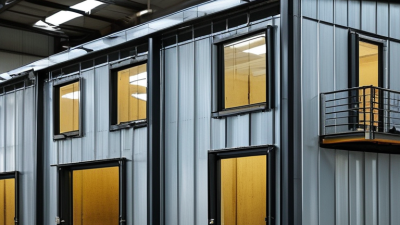
Steel structure houses offer remarkable design flexibility. With their modular nature, they can be easily customized to meet specific needs. Whether you envision a contemporary space or a rustic getaway, the framework can accommodate your vision. Architects appreciate this freedom, as it allows for unique layouts and innovative designs.
Customization goes beyond just aesthetics. Space efficiency is a major concern for many homeowners. With a steel structure, you can create open floor plans that maximize usability. Adding large windows for natural light or integrating sustainable features becomes seamless. However, finding the right balance between creativity and functionality can be challenging.
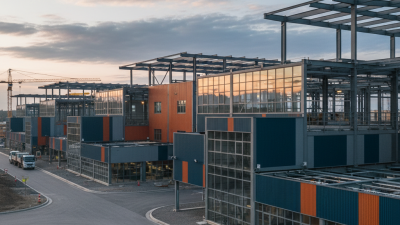
Steel Container Houses represent a growing trend in affordable housing solutions. They provide a canvas for unique architecture, but they also offer practical considerations. Homeowners should weigh the pros and cons carefully. Design innovation can sometimes compromise structural integrity if not planned well. Ultimately, the goal is to blend beauty with durability in your next project.
Speed of Construction with Steel Structures
Steel structures are revolutionizing construction. Their modular design greatly accelerates the building process. Prefabricated components can be quickly assembled on-site. This efficiency translates to shorter project timelines, allowing quick transitions from concept to completion. Builders appreciate how steel structures minimize delays caused by weather or material shortages.
Flexibility is another asset of steel structures. They can be designed for various applications, from residential homes to commercial buildings. This adaptability means that no two projects are alike, but they all benefit from a rapid setup. On-site construction teams often find themselves working with a clear and organized layout, simplifying the assembly of complex frameworks.
Yet, challenges do exist. While speed is a priority, quality control must not be overlooked. Fast construction shouldn't compromise structural integrity. It's crucial to maintain rigorous checks during the assembly process. Emphasizing both speed and quality will ensure that projects are successful and durable in the long run. Balancing these aspects requires experience and vigilance from builders and stakeholders alike.
Safety Features and Resistance to Natural Hazards
Steel structure houses offer remarkable safety features that stand out in today's construction landscape. Their ability to withstand natural disasters makes them increasingly popular among builders. Steel constructions are inherently strong, providing resilience against winds, earthquakes, and floods. This strength means fewer repairs and lower costs in the long run. High-quality steel can endure severe conditions, ensuring the structural integrity of homes even in harsh environments.
In addition to their strength, Steel Constructed Houses are also designed with safety in mind. Buildings made from steel are often fire-resistant and less susceptible to pests. This adds another layer of protection for families. The precision in steel fabrication allows for tighter joints, which enhances stability. However, the initial costs can be higher than traditional materials. This might lead some to hesitate.
Certain factors should be considered. Not all steel structures are designed equally, and the quality of materials matters. Builders need to ensure they are working with reputable suppliers. While steel makes homes durable, it can also be susceptible to corrosion if not properly treated. Regular maintenance is essential for longevity. Balancing the benefits against these potential downsides is crucial for project success.
Innovative Solutions in Healthcare: The Advantages of Prefabricated Steel Structure Hospitals for Quick and Hygienic Construction
The healthcare sector is continuously seeking innovative solutions to enhance patient care and operational efficiency. Prefabricated steel structure hospitals are emerging as a viable option for rapid-deployment healthcare facilities thanks to their quick construction capabilities and hygienic environments. These modular buildings are particularly beneficial for clinics, surgical centers, and inpatient wards, addressing the urgent need for medical spaces during crises or sudden increases in patient volume.
The design of steel structure hospitals emphasizes infection control and durability. With anti-bacterial coated panels and non-porous surfaces, these facilities meet stringent hygiene standards, significantly reducing the risk of hospital-acquired infections. Their seamless surfaces facilitate effortless cleaning and maintenance, making them ideal for busy healthcare settings. Moreover, the inherent strength of steel provides seismic resistance, ensuring the structural integrity of the hospital even in challenging conditions.
Another advantage of prefabricated steel hospitals is their flexibility in expansion. As healthcare needs evolve, these facilities can accommodate future growth through vertical or horizontal extensions without the inconvenience of patient relocation. This adaptability ensures that healthcare providers can respond effectively to changing demands while maintaining high standards of care. By harnessing the benefits of steel construction, healthcare organizations can create modern, efficient environments that prioritize the health and safety of both patients and staff.
FAQS
: Steel structure houses are durable, resistant to pests and extreme weather, leading to lower maintenance costs.
Steel components can be prefabricated and assembled quickly, reducing labor time and allowing faster occupancy.
Yes, initial costs may be higher, but long-term savings on repairs and energy efficiency are substantial.
Steel allows for open floor plans and unique shapes, catering to individual styles and practical needs.
Steel is highly recyclable, but responsibly sourcing it requires diligent research to ensure sustainability.
Yes, while speed is essential, maintaining structural integrity through quality checks is critical for durability.
Builders must balance speed with quality and ensure rigorous checks to avoid compromising structural integrity.
Yes, faster assembly leads to fewer on-site hours, which can significantly lower labor expenses.
It's essential to consider local building codes and climate when selecting materials for construction projects.
Understanding the long-term implications of material choices helps ensure suitable decisions for future projects.
Conclusion
Steel Structure Houses offer a modern solution for construction projects, presenting numerous advantages over traditional building methods. One of the primary benefits is their durability and longevity, as steel materials withstand harsh environmental conditions better than wood or concrete. Additionally, these homes are cost-effective due to lower maintenance expenses and quicker construction timelines. Their eco-friendly nature further enhances their appeal, employing recyclable materials that contribute to sustainable building practices.
Moreover, Steel Structure Houses boast remarkable design flexibility, allowing for customizations that cater to diverse aesthetic and functional needs. The speed at which these structures can be erected also minimizes labor costs and time delays. Safety features inherent in steel construction contribute to their resistance against natural hazards, making them a reliable choice for homeowners seeking both resilience and style in their next project.