Supply high-quality steel structure solutions

Picking the right suppliers for your Steel Framework project is such a big deal, honestly. Like industry veteran John Tanner from SteelWorks Inc. always says, "Quality materials make for a solid foundation," and he's spot on. When you're diving into the maze of supplier options, that advice really sticks.
There are quite a few things to think about. For starters, check out their reputation—are they known for good stuff? Then there's the quality of materials and whether they can stick to your delivery schedule. A good supplier isn’t just about the products; they should also be there to support you when you need guidance. For example, see if they offer technical help or after-sales support—that can save you a ton of headaches.
Now, about cost—it's definitely a big factor, but trust me, that shouldn’t be the only thing you look at. Sometimes, going for the cheapest option ends up costing more in the long run. Finding that sweet spot between budget and quality is key to making sure your project lasts. Thinking through all these bits and pieces will definitely help you make a smarter choice—and in the end, boost your chances of pulling off a successful project.

Steel framework plays a crucial role in modern construction projects. It provides the necessary strength and stability for buildings of all sizes. With the increasing complexity of architectural designs, the demand for high-quality steel framework is growing. A robust framework can withstand various environmental stresses, ensuring longevity and safety. If the steel is subpar, it can lead to project delays and increased costs.
Choosing the right supplier is essential. An experienced supplier understands the specific needs of each project. They are knowledgeable about different types of steel and their applications. Reliable suppliers also adhere to industry standards and provide certifications for their materials. This can greatly enhance the overall quality of construction. However, not all suppliers prioritize these standards, leading to potential issues on-site.
It is important to reflect on supplier reliability. In some cases, lower costs can compromise material quality. Some suppliers may not communicate effectively, adding to the project's risks. Therefore, a careful assessment of potential suppliers is necessary. Look for those with a proven track record and solid client testimonials. This ensures that your steel framework will meet both safety and design requirements.
When selecting a supplier for your structural steel framework, evaluating the quality of steel is crucial. High-quality steel ensures durability and stability in construction projects. Look for suppliers who provide detailed specifications of their steel. This includes the grade, tensile strength, and any certifications indicating compliance with industry standards. Suppliers should be transparent about their sourcing processes and material properties.
Another aspect to consider is the supplier's experience and expertise in the field. A reputable supplier is likely to have a proven track record of delivering quality materials. Examine past projects they have completed and seek references when possible. It's also important to understand the type of steel they offer. Not all structural steel is created equal, and some may be more suited to specific applications than others.
Quality assurance processes are essential. Suppliers should conduct tests to verify the integrity of their steel. This may include evaluations for corrosion resistance and fatigue strength. Engaging in dialogue with potential suppliers can reveal their commitment to quality. However, be prepared to ask tough questions and seek clarity on any concerns. Not every supplier will meet all your requirements, and it's crucial to find one that aligns with your project's goals.
When selecting a steel framework supplier, examining their industry experience and reputation is crucial. A supplier's track record can provide insight into their reliability and quality. According to the American Institute of Steel Construction, suppliers with over ten years of experience often meet ASTM572 Primary Framework standards, ensuring structural integrity and safety.
Experience alone isn't enough. A supplier's reputation in the industry serves as an indicator of their commitment to quality. Reports from the Construction Industry Institute suggest that about 75% of projects fail due to poor supplier performance. Therefore, reviewing client testimonials and past projects can be revealing. Analyzing how suppliers handle challenges, such as meeting deadlines or managing costs, provides clarity on their capabilities.
It's also vital to consider ongoing industry certifications. Suppliers that consistently pursue certification show dedication to maintaining high standards. However, even established suppliers sometimes struggle with innovation. Choosing the right supplier involves a blend of assessing past successes and recognizing potential weaknesses. Look beyond the surface of their reputation; meaningful connections and detailed evaluations often yield the best results.
Choosing the right steel framework suppliers can significantly impact your project's success. To ensure reliability, it is essential to review the certifications and compliance standards of potential suppliers. Many steel fabricators claim to meet industry standards. However, not all have the necessary documentation to prove it.
Look for suppliers that hold certifications like ISO 9001. This certification means they have quality management systems in place. Additionally, check if they comply with ASTM International standards. These standards dictate the quality of materials used in Steel Building Steel projects. Non-compliance can lead to structural failures, which is a risk not worth taking.
It's crucial to investigate if suppliers undergo regular audits. Regular assessments indicate a commitment to maintaining high standards. Ask for references from previous clients. Their experiences can shed light on the supplier’s reliability. A supplier may seem credible at first glance but could lack the depth of experience necessary for your specific needs. Taking these steps will help you make an informed decision and protect your investment in steel framework.
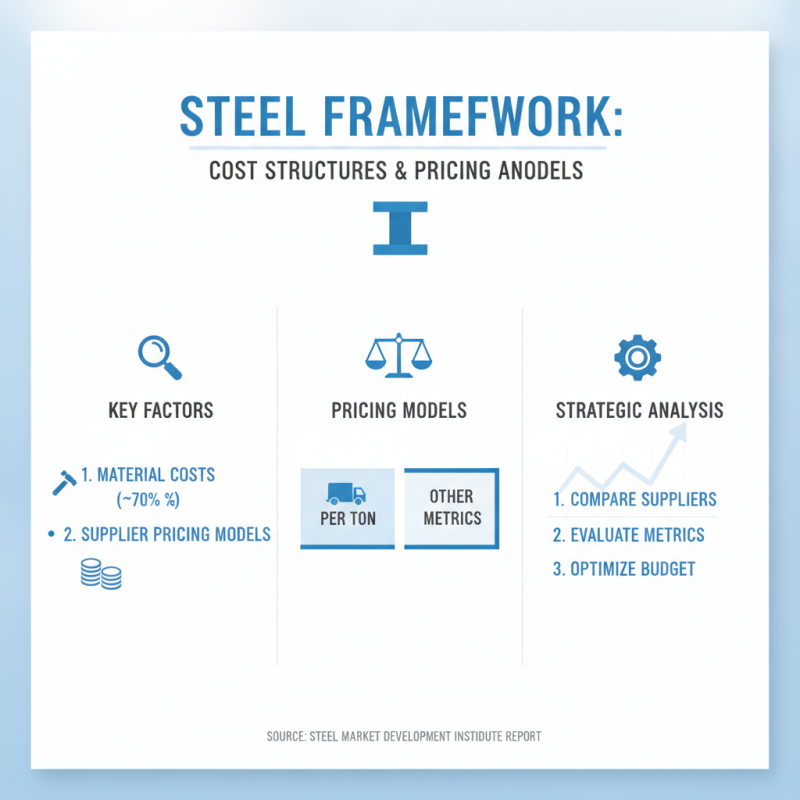
When evaluating steel framework suppliers, understanding their cost structures is imperative. Pricing models vary widely. Some suppliers charge per ton, while others apply different metrics. A report from the Steel Market Development Institute indicates that material costs account for about 70% of the overall expenses in steel construction. This highlights the need for careful analysis of supplier pricing.
It is essential to look at the additional costs associated with each bid. For example, delivery fees and handling charges can significantly impact the final price. A supplier's location may influence transportation costs. A study by IBISWorld reveals that shipping expenses can increase project costs by up to 15%. Understanding these factors provides a clearer financial picture.
Suppliers may also offer different contract structures. Some prefer fixed pricing, which offers stability. Others operate on a variable basis, where costs fluctuate based on market conditions. This variability can pose risks. During a boom period, prices might soar unexpectedly. Transparency in pricing and contract terms is crucial for informed decision-making. Scrutinizing these elements leads to a more reliable partnership.
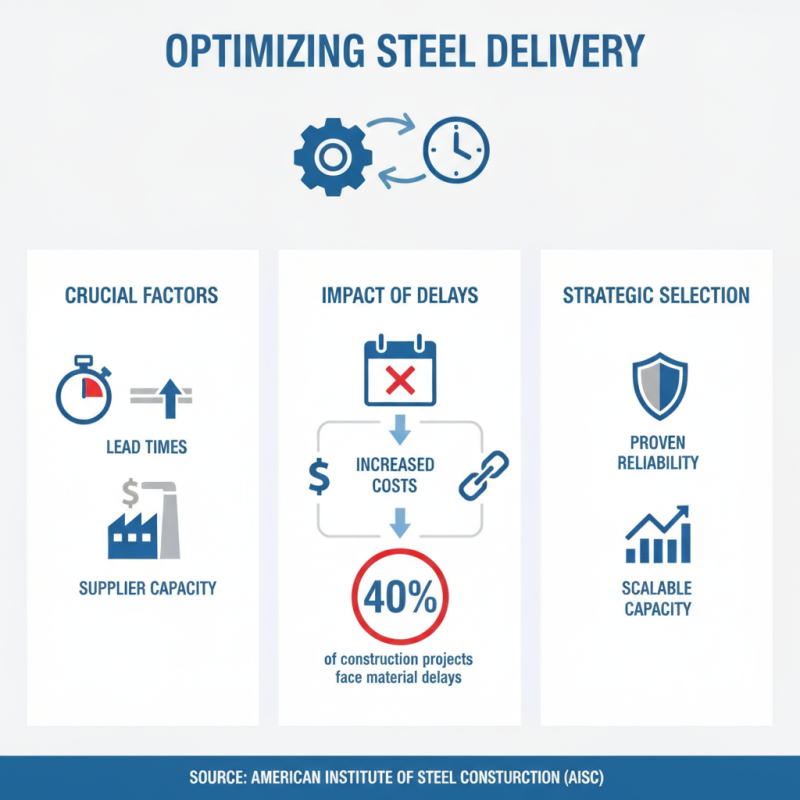
When selecting steel framework suppliers, lead times and supplier capacity are crucial. According to a report from the American Institute of Steel Construction (AISC), timely delivery can significantly impact project timelines. A delay in receiving materials can lead to increased costs and affect overall project flow. Notably, 40% of construction projects face delays due to material supply issues. This highlights the importance of choosing suppliers with proven reliability and scalable capacities.
One key tip is to assess the supplier's production capabilities. Look for suppliers that can provide detailed information about their current workload and capacity. Suppliers should be transparent about their lead times. This allows you to make informed decisions. Another essential factor is the supplier's inventory management. A robust inventory system can enhance delivery efficiency, reducing waiting periods. Ideally, suppliers should maintain a balance between stock levels and production schedules to avoid backorders.
Monitoring market conditions is also vital. Changes in demand can affect lead times. During peak construction seasons, lead times can increase by over 30%. Suppliers can struggle to keep up with demand. Understanding market trends helps in planning orders well in advance. Suppliers’ ability to adapt to fluctuating demands plays a critical role in ensuring timely delivery.
Establishing solid communication with your steel framework supplier is essential for your project. A supplier's responsiveness can significantly impact timelines. Regular check-ins can keep both parties aligned. When discussing specifications, clarity is key. Misunderstandings can arise when details are vague.
Ask for a contact person within the supplier's team, preferably someone with technical expertise. This ensures direct access to information and quick resolutions. Don't hesitate to express your concerns or questions. Be open and honest in your discussions about the C Steel framework specifics. Building rapport can foster a collaborative environment.
In addition, explore various support channels. Email is standard, but consider using phone calls for urgent matters. A quick conversation might clarify issues faster than written communication. Keep track of previous interactions. This practice builds a record of your discussions and decisions, which can help in future negotiations. It can also serve as a reference point to avoid repeating mistakes. Balancing effective communication and support is vital in selecting the right supplier for your steel framework needs.
The rapid advancement in construction technologies has brought about significant benefits, especially in the warehousing sector. Rapid installation prefabricated metal buildings have emerged as a game changer, offering remarkable efficiencies for businesses seeking reliable and cost-effective storage solutions. With the ability to significantly reduce construction time, these structures allow companies to house their inventory quickly and effectively, which is increasingly important in today’s fast-paced market.
According to industry reports, the prefabricated construction market is expected to reach $157 billion by 2023, driven largely by the need for faster and more sustainable building practices. Rapid installation prefabricated metal buildings provide a stable steel framework that not only ensures durability but also enhances safety for industrial storage. Their robust design can withstand various environmental conditions, making them suitable for diverse applications worldwide.
Moreover, businesses are increasingly recognizing the economic advantages of prefabricated solutions. Research indicates that utilizing prefabricated structures can save up to 20% on construction costs and cut building time by as much as 50%. This is particularly relevant for warehousing, where efficiency in space utilization translates to improved operational productivity. As enterprises pivot towards scalable solutions for supply chain management, the shift towards rapid installation prefabricated metal buildings is poised to redefine how industries approach their logistics and storage needs.
: A supplier's industry experience indicates their reliability and quality. More experience often correlates with meeting standards.
Client testimonials provide insight into a supplier's performance and how they handle challenges like deadlines and costs.
Certifications, like ISO 9001, ensure suppliers have quality management systems. They signal adherence to industry standards.
No, not all suppliers provide necessary documentation. It's essential to verify their compliance with standards.
Non-compliance can lead to structural failures. This risk is dangerous and can significantly impact your project.
Regular audits show suppliers' commitment to maintaining high standards. This practice helps ensure ongoing reliability.
Yes, a supplier may seem credible at first. However, their depth of experience may not meet your specific needs.
If a supplier lacks certifications, it may reflect a weaker commitment to quality. Consider this a red flag in your evaluation.
Ongoing certifications indicate a supplier’s dedication to high standards. It can influence the overall success of your project.
Evaluating past projects can reveal a supplier’s ability to meet expectations, handle challenges, and maintain quality.
Choosing the best steel framework suppliers for your construction project is crucial for ensuring structural integrity and project success. It is essential to understand the significance of steel framework and assess the quality and specifications of the steel offered by suppliers. Evaluating a supplier's industry experience and reputation provides insight into their reliability, while reviewing certifications and compliance standards ensures that the materials meet safety regulations.
Cost structures and pricing models must be analyzed to align with your budget while ensuring quality. Additionally, investigating lead times and supplier capacity is vital for timely project delivery. Finally, establishing effective communication and support channels with suppliers will facilitate a smoother collaboration throughout the project. By considering these factors, you can select a supplier that meets your project's needs effectively.