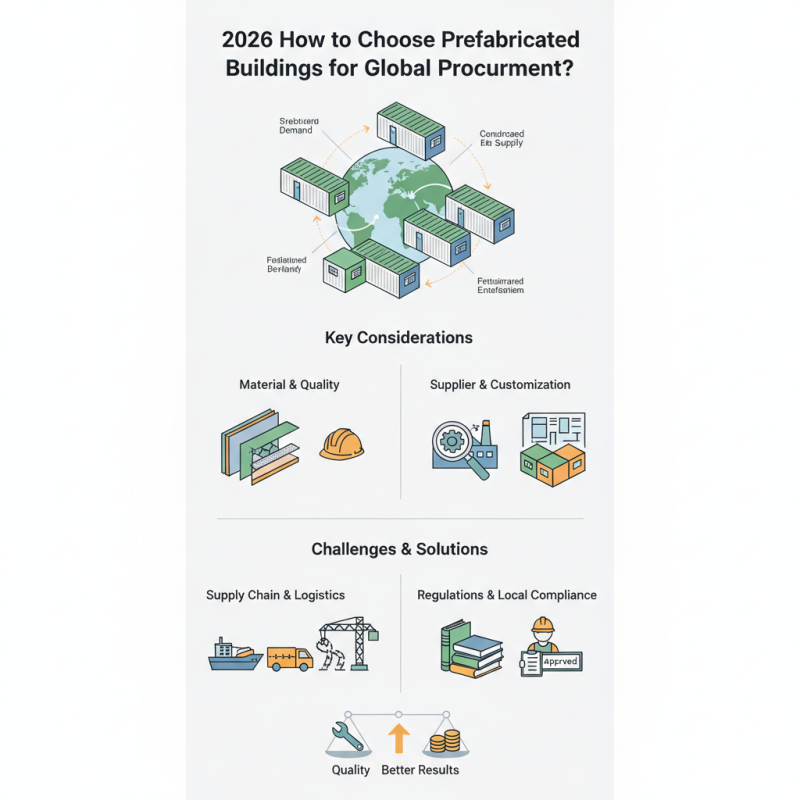
Lately, you've probably noticed that the demand for prefabricated buildings has really taken off worldwide. They’re great because they’re efficient and don’t break the bank. But here’s the thing—picking the right prefab building for your project isn’t as simple as it sounds. You’ve gotta consider a bunch of things, like the quality of materials and how reputable the supplier is.
Finding a dependable provider is super important. A quick look into their company history and reading reviews can give you a good sense of whether they’re truly experts. And don’t forget about customization. Every project is different, right? So, you want a building that actually fits your specific needs. Companies like Modulr's Factory are pretty good at offering flexible designs that can cater to all kinds of client requirements.
Of course, prefab buildings come with their own set of challenges. Sometimes supply chain hiccups can mess with delivery schedules, and local building rules might throw some curveballs your way. It’s really worth staying on top of these issues so you can make a smart, informed decision. In the end, finding the right balance between quality and budget will pay off big time in the long run.
Understanding Prefabricated Buildings and Their Advantages
Prefabricated buildings have gained popularity due to their efficiency and sustainability. Unlike traditional construction, these structures are manufactured in factories and assembled on-site.
A report from the Building Industry Association highlights that prefabricated methods can reduce construction time by up to 50%. This rapid deployment is especially appealing for global procurement.
Their environmental impact is significant. Prefabricated buildings often use fewer materials and create less waste. According to a study by the National Institute of Standards and Technology, these buildings can reduce energy costs by approximately 20% compared to conventional methods.
Furthermore, they facilitate better quality control, as components are made in a controlled environment, minimizing defects.
However, challenges still arise. The logistics of transporting prefabricated components can be complex. Ensuring that the correct materials arrive on-site requires meticulous planning. Additionally, local regulations may not always accommodate prefabricated structures, necessitating thorough research before procurement. While the benefits are compelling, potential buyers must weigh these logistical hurdles against the advantages of speed and sustainability.
Key Factors to Consider in Global Procurement of Prefabricated Buildings
When choosing prefabricated buildings for global procurement, several critical factors come into play. Understanding the local market conditions is essential. Each region has unique construction standards, materials, and labor practices. Researching local regulations can save time and money. You should consider sustainability practices as well. This will not only align with global standards but can also enhance your brand's reputation.
Quality control is another essential aspect. Inspecting materials and production processes ensures that the final product meets your specifications. Establishing robust communication channels with suppliers can reinforce quality assurance. However, relying entirely on remote inspections can lead to oversights. It's important to have a mix of virtual and on-site evaluations.
Costs often drive procurement decisions. While opting for the lowest price seems appealing, hidden costs may arise. These include shipping, customs fees, and potential delays. Proper budgeting and contingency planning are crucial. Consider potential risks that could impact delivery and adjust your strategy accordingly. Balancing cost-effectiveness and quality requires diligent planning, yet imperfections in decision-making can lead to learning experiences.
Evaluating the Quality and Standards of Prefabricated Structures
When considering prefabricated buildings for global procurement, evaluating quality and standards is crucial. The prefabricated construction market is projected to reach $200 billion by 2026, highlighting its growing significance. Quality assurance in materials and design can substantially affect durability and overall performance. For instance, a report by the International Organization for Standardization shows that adherence to ISO 9001 standards can improve efficiency by 20% in prefabricated structures.
One major concern is the inconsistency in quality among manufacturers. Testing methods for materials vary widely, affecting structural integrity. According to industry analyses, up to 30% of prefabricated components may not meet specified quality standards when produced in different regions. This inconsistency can lead to costly repairs and project delays. Proper certification and thorough evaluation processes are essential to mitigate these risks.
Environmental standards also play a vital role in procurement decisions. Sustainable materials and energy-efficient designs are not merely trends; they are necessities. A report by the World Green Building Council indicates that buildings constructed with eco-friendly prefabricated materials can reduce energy consumption by 30%. However, verifying these claims requires careful assessment of product lifecycle analyses, which are not always readily available. Addressing these challenges is important for making informed decisions in the market.
Analyzing Costs and Budgeting for Global Procurement Projects
When planning global procurement projects for prefabricated buildings, understanding costs is crucial. According to a recent report by the World Bank, construction costs have been steadily increasing, averaging about 5% annually in emerging markets. This rise demands careful budgeting to ensure project viability. Unexpected expenses can arise, such as shipping delays or regulatory compliance issues. A thorough risk assessment can mitigate these risks, but it requires expert input.
Budgeting for prefabricated buildings involves multiple factors. Labor costs, material prices, and logistics play significant roles. An analysis shows that labor can account for 30% of total project expenses. It's vital to factor in local labor rates, which can vary widely. Moreover, some regions may impose tariffs on imported materials, affecting overall costs. A comprehensive financial model will help in allocating resources effectively.
Understanding market trends is also essential. The Construction Industry Institute indicates that prefabricated structures can reduce overall costs by up to 20% when managed appropriately. However, without a clear budgeting strategy, companies may face overspending. Analyzing historical data and forecasting future trends could improve accuracy. Allocating contingency funds is wise, as unforeseen challenges are typical in global procurement situations.
2026 How to Choose Prefabricated Buildings for Global Procurement?
| Criteria |
Description |
Estimated Cost (USD) |
Budget Allocation (%) |
| Design Flexibility |
Ability to customize building layout and features |
$15,000 |
20% |
| Material Costs |
Costs for the raw materials used in construction |
$30,000 |
40% |
| Transportation Fees |
Costs associated with shipping prefabricated units |
$7,500 |
10% |
| Construction Time |
Time required for erecting and finishing the building |
$5,000 |
7% |
| Labor Costs |
Wages for workers involved in construction |
$12,500 |
17% |
| Permits and Fees |
Government or local fees associated with construction |
$3,000 |
5% |
Sourcing Reliable Suppliers and Manufacturers in the Global Market
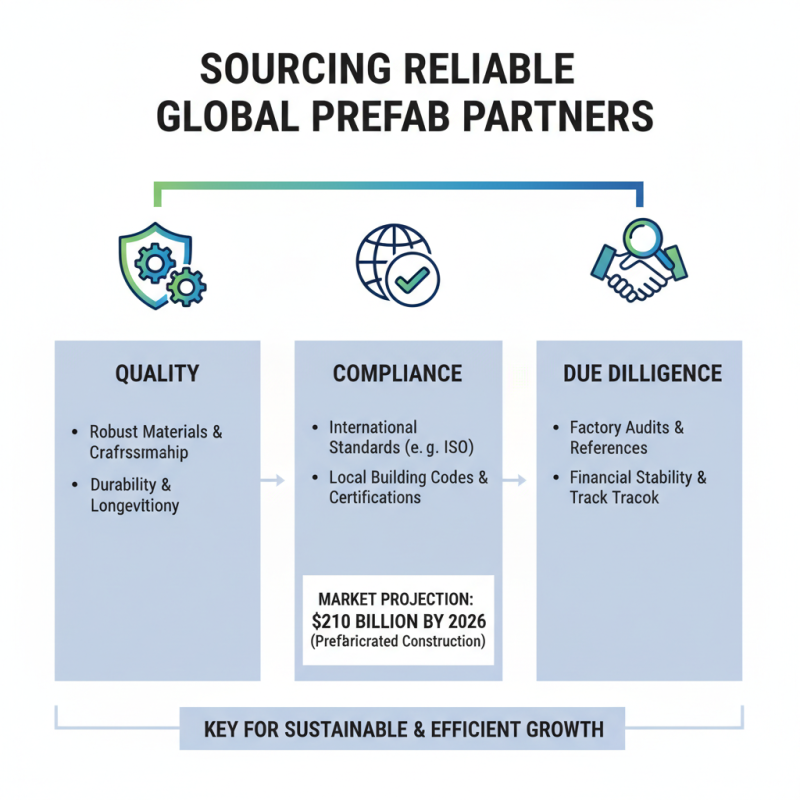
When sourcing reliable suppliers and manufacturers for prefabricated buildings, quality and compliance are crucial. According to a recent market report, the global prefabricated construction market is projected to reach $210 billion by 2026. This growth reflects a rising demand for sustainable and efficient construction methods. However, not all suppliers can fulfill these requirements. Businesses need to scrutinize potential partners thoroughly.
Looking at regional trends, Asia Pacific dominates the market, accounting for over 45% of the share. This region boasts numerous manufacturers, but not all meet international standards. Companies should conduct site visits and hold face-to-face meetings. Utilizing third-party audits can further assure the credibility of suppliers.
Data from industry experts indicates that 70% of project delays are due to supplier issues. It's vital to prioritize communication and transparency. Potential partners should have a proven track record in delivering projects on time. In complex projects, even minor lapses can lead to significant setbacks. Establishing clear expectations from the outset can mitigate these risks.
Navigating Logistics and Supply Chain Challenges for Prefabricated Builds
Navigating logistics and supply chain challenges for prefabricated buildings requires a strategic approach. According to a recent industry report by McKinsey, 70% of construction projects face delays due to supply chain disruptions. These obstacles may arise from transportation inefficiencies, local regulations, and varying standards across regions.
One key tip is to establish robust partnerships with logistics providers. This helps in anticipating shipment delays and managing on-site assembly. Additionally, adopting modular design helps minimize the impact of transportation limits. Modular components can be prefabricated off-site, reducing the need for extensive on-site labor.
Another important aspect is maintaining flexibility in procurement strategies. Market fluctuations can disrupt material availability. Staying informed about global commodity trends can guide sourcing decisions. A proactive approach, such as over-ordering critical components or diversifying suppliers, can alleviate risks. Remember, even a minor delay can escalate costs significantly—a detail often overlooked.
Regulatory Compliance and Legal Considerations in Different Regions
When selecting prefabricated buildings for global procurement, understanding regional regulations is vital. Compliance varies significantly between countries. Each region has specific codes, standards, and regulations regarding construction practices. This can affect everything from materials used to safety standards. Ignoring these specifics can lead to costly legal issues.
Tips: Always research local laws before procurement. This includes zoning laws, building permits, and safety regulations.
Different regions may have unique environmental regulations. For instance, some areas prioritize sustainability in construction. Understanding these factors can influence your design choices and material selection. Be prepared for unexpected changes in regulations during your project.
Tips: Stay updated on regulatory changes in your target regions. Regular communication with local authorities can help.
Focusing on legal considerations promotes a smoother procurement process. This minimizes risks and enhances project reliability. However, adhering to regulations can sometimes lead to delays or increased costs. Viewing these challenges as learning opportunities can drive better planning and future projects.
Optimizing Space and Efficiency: The Benefits of Engineered Prefab Steel Self Storage Solutions
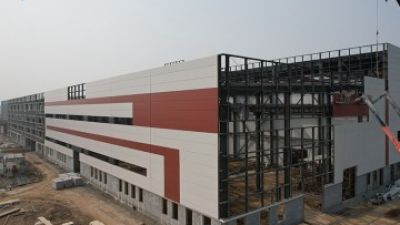
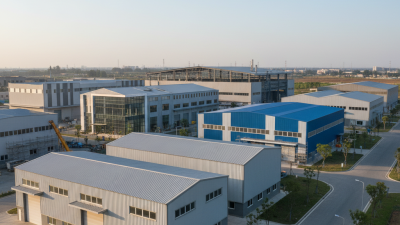
In today's fast-paced world, the demand for efficient and reliable storage solutions continues to rise. Engineered prefab steel self-storage solutions are designed to optimize space and enhance operational efficiency, making them an ideal choice for various applications, including personal storage, warehouses, and logistics centers. These structures offer high structural reliability, ensuring that items stored within are well-protected and secure.
One of the primary benefits of using engineered prefab steel buildings is their rapid construction timeline. Unlike traditional storage options, these steel structures can be assembled quickly, allowing businesses and individuals to meet their storage needs without prolonged delays. Additionally, the flexible design of prefab steel buildings accommodates a wide range of spatial requirements, providing customizable layouts that can adapt to evolving storage demands. This versatility is essential for entrepreneurs and organizations looking to maximize their property use while minimizing costs.
Furthermore, the durability and low maintenance requirements of steel self-storage solutions translate to long-term savings and peace of mind for users. With their ability to withstand harsh weather conditions and resist damage, these engineered structures prove to be a sound investment for those seeking effective storage alternatives. As the benefits of optimized space and efficiency become increasingly apparent, engineered prefab steel self-storage solutions offer an attractive option for anyone looking to streamline their storage process.
FAQS
: Quality and compliance are essential. Not all suppliers meet these standards.
The market is projected to reach $210 billion by 2026, reflecting growing demand for sustainable methods.
Site visits help assess suppliers. Face-to-face meetings enhance trust and communication.
About 70% of delays are due to problems with suppliers. Effective communication is vital.
Establish strong partnerships with logistics providers. This helps anticipate delays.
Modular design allows components to be prefabricated off-site. This reduces on-site labor needs.
Keep informed about market trends. Consider over-ordering or diversifying suppliers to manage risks.
Even minor delays can escalate costs. Such details should not be ignored.
Third-party audits provide assurance of suppliers’ credibility. They are helpful in supplier selection.
Clear expectations from the start reduce risks of project delays and misunderstandings.
Conclusion
The article "2026 How to Choose Prefabricated Buildings for Global Procurement?" provides a comprehensive guide for stakeholders interested in acquiring prefabricated buildings on an international scale. It begins with an overview of what prefabricated buildings are and highlights their advantages, such as reduced construction time and improved quality control. Key factors to consider during procurement include evaluating suppliers, understanding local regulations, and assessing logistics challenges.
The discussion further delves into the importance of quality standards in prefabricated structures and offers insights on budgeting for global procurement projects. By addressing sourcing reliable suppliers and navigating complex supply chain issues, the article equips readers with essential tools for successful prefabricated building projects while ensuring compliance with regional regulations. Overall, this guide serves as a vital resource for making informed decisions in the global market for prefabricated buildings.