Supply high-quality steel structure solutions

You know, in the ever-changing world of construction, high-quality OEM Modular Steel Structures are really starting to catch on. These things are pretty cool — they blend prefabricated parts with precise engineering, making the whole process smoother. Plus, they’re known for cutting down construction time and being super durable. There are some big players out there killing it in this space, offering customized solutions that fit all sorts of needs.
These Modular Steel Structures aren’t just one-trick ponies—they're super versatile. Whether it’s a commercial building or a cozy residential home, they can do it all. Of course, choosing the right materials and designs is pretty important. You want a design that lines up with your project goals and sticks to local regulations. But here’s the tricky part: making sure every single structure hits those strict quality standards. Unfortunately, some companies drop the ball here, which can lead to delays and headaches.
In this competitive scene, picking the right manufacturer really matters. The top companies aren’t just selling good products—they really know their stuff. They understand the ins and outs of Modular Steel Structures and how they fit into modern architecture. Building a trusted partnership can make or break your project’s success. And as the industry keeps advancing, it’s crucial for companies to keep improving by learning from past projects to do even better next time.

An OEM modular steel structure is a prefabricated building system made from steel. These structures are designed for quick assembly and can adapt to various applications. OEM stands for Original Equipment Manufacturer, meaning the structures are crafted by specialized manufacturers who ensure quality and durability. This type of construction is popular for both temporary and permanent projects, offering flexibility.
When considering OEM modular steel structures, pay attention to the material quality. The steel should have a high yield strength to withstand loads. Check for certifications that guarantee compliance with safety standards. This can save time during inspections and ensure long-term reliability.
Tips: Review multiple suppliers. Some designs may focus more on aesthetics rather than functionality. Consider your specific needs carefully. Look for companies with a proven track record. Understand that construction methods can vary significantly. While more cost-effective, cheaper options might not provide the desired longevity or performance. It's wise to invest in a structure that meets your quality expectations.
High-quality modular steel structures have unique characteristics that set them apart in the construction industry. These structures often utilize advanced engineering techniques, ensuring durability and efficiency. According to recent industry reports, modular construction can reduce project timelines by up to 50%. This speed is crucial in today’s fast-paced market.
Key characteristics include precision fabrication and material efficiency. High-quality steel modules are designed using computer-aided design (CAD) technology. This enhances accuracy, minimizing waste to about 10% during production. Moreover, structures made from steel have a lifespan exceeding 50 years, offering significant long-term value. However, achieving such standards relies heavily on skilled labor and detailed quality control.
Another aspect to consider is sustainability. Modular construction can include recycled materials, aligning with global efforts to reduce environmental footprints. However, the challenge remains in sourcing quality materials consistently. Companies must remain vigilant to avoid compromising quality for lower costs. Overall, the industry continues to evolve, emphasizing the need for reliable practices and innovative solutions.
High quality OEM modular steel structures offer numerous advantages in the construction industry. Using Original Equipment Manufacturer (OEM) services allows companies to benefit from customized solutions tailored to their specific project needs. This approach ensures superior integration of design and functionality, which can lead to more efficient construction processes.
Engaging with OEM providers often results in enhanced cost-effectiveness. These companies leverage economies of scale, which can reduce overall material and labor costs. The precision offered by modular designs also minimizes waste. Ultimately, this contributes to sustainable building practices. However, it’s crucial to vet suppliers thoroughly. Reliability and quality can vary widely among manufacturers.
Tips: Before committing to any OEM partnership, consider conducting site visits. Assess the quality of workmanship and materials. Communication is key. Ensure clarity in expectations and timelines to avoid potential misunderstandings.
The modular approach does present challenges. For instance, transporting large steel modules can require significant logistical planning. Additionally, on-site assembly may pose problems if proper coordination is lacking. Companies must be proactive in managing these aspects to fully harness the benefits of modular steel construction.
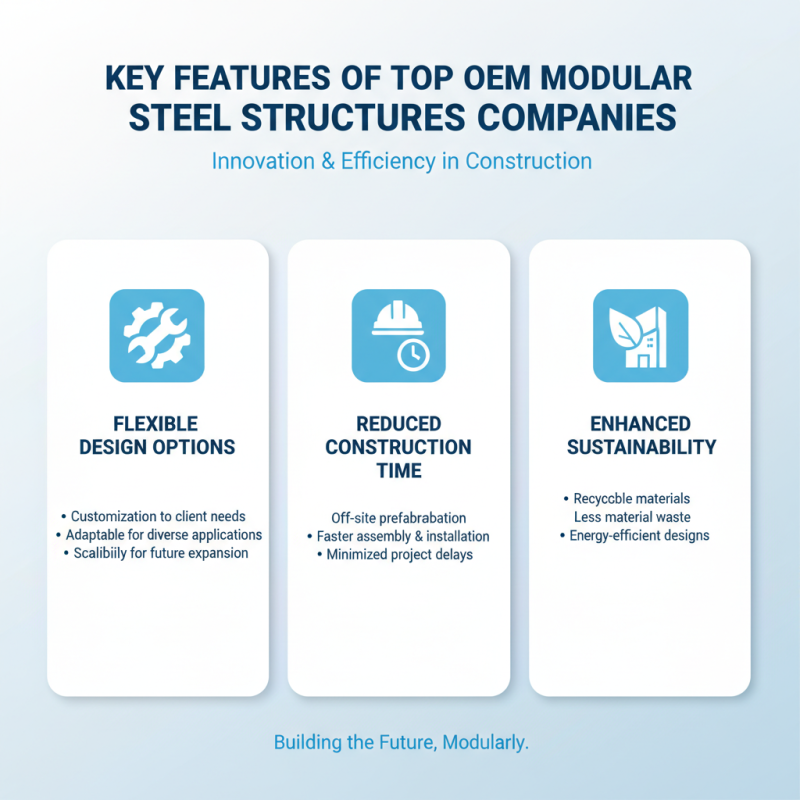
High-quality OEM modular steel structures have become vital in various industries. These companies offer numerous advantages, leading to increased demand for their services. Key features of top OEM modular steel structure companies include flexible design options, reduced construction time, and enhanced sustainability.
Flexible design is crucial for meeting diverse client needs. Advanced software allows for tailored solutions that fit specific requirements. According to a recent industry report by MarketsandMarkets, the modular construction market is projected to reach $157 billion by 2023, driven by this customization capability.
Sustainability is another significant factor. Many top companies prioritize eco-friendly practices. They utilize recycled materials and energy-efficient processes, aligning with global sustainability goals. However, some builders might overlook the complete lifecycle of materials, which can lead to challenges later on.
Tip: When evaluating a modular steel company, consider their sustainability practices and how they contribute to overall project efficiency. Also, check their design adaptability to suit your specific needs. Quality often depends on how well companies balance innovation with practicality.
When selecting a high-quality OEM modular steel structure provider, several critical criteria come into play. First, consider the company's experience in the industry. According to a recent report by MarketsandMarkets, the global modular construction market is expected to reach $157 billion by 2023, indicating the competitive nature of this field. A reputable provider should have a substantial track record of successful projects, demonstrating their capability to handle various scales and complexities in construction.
Quality assurance is vital. A quality provider's commitment to using high-grade materials can be assessed through their certifications and compliance with international standards. Reports indicate that over 60% of project delays stem from material quality issues. Therefore, understanding a company’s sourcing and manufacturing processes can provide insights into their reliability. Furthermore, communication and customer service should not be overlooked. Effective collaboration ensures that specific project requirements are met, and it helps anticipate potential challenges during construction.
While many companies display promising credentials, it's essential to dig deeper. Requesting client references and inspecting past projects can reveal insights into their performance. Be cautious; not every provider will offer transparency. It's important to ask about their approach to sustainability and innovation in design. These elements contribute to long-term structural integrity and adaptability amid changing industry standards. Each of these factors can impact the effectiveness and success of your modular steel structure project.
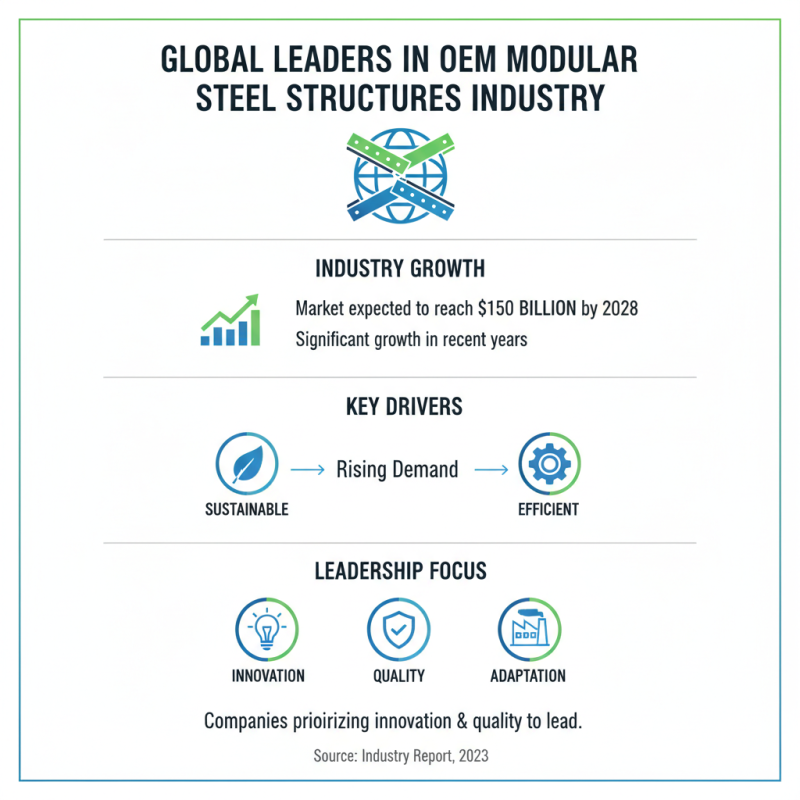
The OEM modular steel structures industry has seen significant growth in recent years. According to a recent industry report, the global modular construction market is expected to reach approximately $150 billion by 2028. This growth indicates a rising demand for sustainable and efficient building solutions. Many companies are adapting to this trend, focusing on innovation and quality to lead the market.
In this highly competitive sector, exceptional quality is paramount. Leading companies leverage advanced manufacturing techniques, ensuring precision and durability in their products. For instance, employing automated construction processes can reduce waste by nearly 30%. However, not all firms achieve this level of success. Some still struggle with integrating new technologies effectively.
Moreover, the regulatory landscape poses challenges. Compliance with various building codes can complicate project timelines. Companies must remain agile and proactive in addressing these issues to maintain their market position. Balancing quality and regulatory compliance is a complex task. Continuous improvement in these areas is essential for industry leaders to stay ahead.
The landscape of modular steel structures is evolving rapidly. As companies strive for sustainability, new trends emerge. One key focus is the integration of green technologies. Modular designs are now being created with recyclable materials and energy-efficient features. This not only reduces waste but also minimizes the carbon footprint.
Innovations in manufacturing processes are crucial. Advanced techniques such as 3D printing and automated welding improve precision and speed. However, these technologies come with their challenges. The initial investment can be high, and skilled labor might be hard to find. Companies must balance innovation with cost-effectiveness.
The future also points to increased customization. Clients are seeking unique, adaptable solutions. This means modular steel structures will need to combine flexibility with robustness. As demands change, adaptation is key. Embracing these trends can drive success, but it is essential to tread cautiously and remain aware of potential pitfalls.
| Category | Value | Growth Rate (2023-2030) | Key Innovations | Sustainability Practices |
|---|---|---|---|---|
| Commercial Structures | $1.5 Billion | 7% CAGR | Smart Building Technology | Recycled Materials |
| Residential Structures | $2 Billion | 8% CAGR | Prefabrication Techniques | Energy Efficient Designs |
| Industrial Structures | $1.2 Billion | 6% CAGR | Modular Automation | Carbon Neutrality Goals |
| Education Facilities | $800 Million | 9% CAGR | Flexible Classroom Designs | Water Conservation Systems |
| Healthcare Facilities | $950 Million | 10% CAGR | Modular Healthcare Units | Sustainable Practices |
High-strength steel tower structures play a pivotal role in enhancing connectivity within modern telecom and power infrastructure. These robust structures are specifically engineered using high-strength steel, which provides exceptional durability and support for various applications. Their resistance to corrosion, achieved through specialized surface treatments, ensures longevity even in the most challenging outdoor environments. This is particularly crucial for telecom and power transmission applications, where reliability is paramount.
One of the standout features of these steel towers is their modular design, which facilitates rapid installation. This not only reduces the time required to deploy these critical infrastructures but also curtails associated costs. The ease of assembly and customization options allow for adjustments in height and load capacity, making them adaptable to a variety of global project requirements. By meeting diverse client needs, these high-strength steel tower structures significantly contribute to the development of robust communication and energy networks, ultimately reinforcing connectivity across regions.
: They utilize advanced engineering, ensuring durability and efficiency for various projects.
It can reduce timelines by up to 50%, which is crucial in today's fast-paced market.
Computer-aided design (CAD) technology is used to enhance accuracy and minimize waste.
They typically have a lifespan exceeding 50 years, providing significant long-term value.
Recycled materials and energy-efficient processes are often prioritized in sustainable practices.
Sourcing quality materials consistently can be a challenge and affects overall project quality.
Skilled labor and detailed quality control are crucial for achieving high standards.
Flexible design meets diverse client needs by offering tailored solutions through advanced software.
Assess their sustainability practices and design adaptability for your specific needs.
Some builders might overlook the complete lifecycle of materials, leading to future issues.
Modular Steel Structures are prefabricated building components made from steel that can be quickly assembled on-site. These structures are characterized by their durability, versatility, and efficiency, making them an attractive option for various construction projects. High-quality OEM (Original Equipment Manufacturer) modular steel structures stand out due to their superior design, precision manufacturing, and adherence to safety standards, which ultimately leads to reduced construction time and costs.
When selecting a provider for OEM modular steel structures, it is crucial to consider several criteria including industry experience, quality certifications, and their capacity to meet specific project needs. As the market evolves, innovative trends such as sustainability and advanced manufacturing techniques are shaping the future of modular steel structures, providing opportunities for enhanced efficiency and environmental responsibility in construction practices.