As the housing market around the world keeps evolving, there's a real buzz around finding innovative solutions. You know, Prefab Homes Materials are really leading the charge in this shift, offering options that are both sustainable and efficient. I recently read what Dr. Emily McCarthy, who's quite the expert in sustainable architecture, said — she mentioned, "The materials we choose today will shape the homes of tomorrow." That really hits home because it underscores just how critical selecting the right materials is for prefab buildings.
Looking ahead to 2026, it seems like there’s going to be a big jump in interest for eco-friendly and durable building materials. People all over the world are keen to see how these materials can actually meet their needs. Timber, recycled steel, and those fancy new composites are really standing out as the go-to choices right now. But here’s the thing — not every material works for every climate or location, so making the right pick isn’t always straightforward. It takes a bit of skill and careful thought.
A lot of folks tend to forget about the long-term impact of their material choices, focusing more on how things look immediately rather than how they'll hold up over time or how eco-friendly they are. With a bit of guidance, though, buyers can really make smarter decisions about prefab materials. It’s all about weighing the costs against environmental impact and making sure the home they build isn’t just pretty, but also built to last.
Overview of Prefab Homes: Key Trends for 2026
The prefab homes market is evolving rapidly, with key trends emerging for 2026. Data shows that the global prefab housing market is projected to reach $200 billion by 2026, growing at a CAGR of 6.5% (Source: MarketsandMarkets). Demand for sustainable materials is increasing, prompting a shift towards eco-friendly options. Modular construction techniques are being preferred for their efficiency and reduced waste.
A significant trend is the incorporation of smart technology in prefab homes. Features like automated energy management systems are becoming standard. Reports indicate that 30% of new prefab homes will include these technologies by 2026. This adaptation not only boosts energy efficiency but also enhances the user experience.
Here’s a tip: Buyers should research the certifications of materials used in prefab homes. Look for environmentally friendly certifications, as they can indicate better sustainability. Additionally, consider the durability of materials; this can impact long-term value. Another tip for potential buyers is to check for local climate suitability of prefab designs. Factors such as insulation and weather resistance are crucial for comfort and energy savings.
Sustainable Materials: Eco-Friendly Choices for Prefab Construction
Sustainable materials are reshaping the prefab homes industry. Eco-friendly choices enhance both the environment and the living experience. Increasingly, buyers are looking for materials that not only meet their functional needs but also reduce their carbon footprint. For instance, reclaimed wood offers a unique aesthetic while promoting recycling.
Recycled steel is another great option. It boasts high durability and low maintenance. However, sourcing it can sometimes prove challenging. Some companies overlook the importance of local sourcing. This can lead to increased transportation emissions, negating the sustainability benefits.
Natural insulation materials, like sheep's wool or cotton, are gaining popularity. They provide excellent thermal performance. Yet, one must consider the sourcing practices of these materials. Are they harvested sustainably? Buyers need clarity on the supply chain. Transparency is key in today’s market.
Prefab homes should reflect a commitment to eco-friendly practices, ensuring a healthier planet for future generations.
Innovative Building Techniques in Prefab Home Manufacturing
Innovative building techniques are transforming prefab home manufacturing. In recent years, the focus has shifted toward sustainable and high-performance
Prefab Construction Materials. Designers experiment with eco-friendly options, such as reclaimed wood and recycled steel. These choices not only enhance aesthetic appeal but also reduce environmental footprints.
One noteworthy trend is modular design. It allows for quicker assembly and reduced waste. Each module is crafted off-site, ensuring precision and quality control. However, this approach can limit customization. Homebuyers may face challenges finding unique features that resonate with their personal style.
Technological advancements in manufacturing also play a crucial role. 3D printing, for instance, offers opportunities to create complex structures. Yet, the reliability of these materials in varied climates remains a concern. The building industry is still learning about their long-term performance. As buyers explore innovative prefab options, they must weigh the benefits against potential drawbacks.
*(请确保替换`image_url`和`Image description`为实际的图片链接和描述。)*
Comparative Analysis of Prefab Materials: Wood, Steel, and Concrete
When considering building materials for prefab homes, wood, steel, and concrete each offer distinct advantages and challenges. A recent report from the International Prefab Association highlights that wood remains a popular choice due to its warmth and aesthetic appeal. Wood also has excellent insulation properties. However, it may be vulnerable to pests and requires more maintenance over time.
Steel, on the other hand, stands out for its durability and strength. According to the World Steel Association, structures built with steel can endure extreme weather conditions. They also resist mold and fire better than wood options. Yet, steel construction often requires high energy input, raising questions about its long-term sustainability.
Concrete, as reported by the Global Cement Association, is favored for its thermal mass and longevity. It can withstand harsh environments and does not rot or degrade like wood. However, the carbon footprint associated with concrete production is significant, sparking concerns among environmentally conscious buyers. The choice of material ultimately reflects a balance between aesthetic desires, economic factors, and environmental impacts. Each option presents a unique set of trade-offs worth contemplating for future homeowners.
Global Supply Chain Dynamics Affecting Prefab Home Materials
The global supply chain for prefab homes materials is evolving rapidly. In 2026, buyers face new challenges and opportunities. The pandemic revealed vulnerabilities in sourcing materials. Disruptions affected timber, steel, and insulation. Modular homes depend heavily on these materials. Prices have fluctuated, creating uncertainty for consumers and builders alike.
Manufacturers are exploring local sourcing as a solution. This reduces dependency on long-distance logistics. Local materials might offer cost benefits and shorter lead times. However, local availability can vary significantly by region. Some markets may find themselves lacking essential supplies. The challenge is to balance quality with affordability in homes modular homes.
Sustainability is another critical factor. Eco-friendly materials are gaining traction. But they often come with a higher price tag. Buyers need to weigh the benefits against costs. The complexity of supply chains means that even small changes can have a big impact. As we approach 2026, adaptability will be key for all involved in prefab construction.
Future of Smart Technology Integration in Prefab Homes
The future of prefab homes will be greatly influenced by smart technology integration. As more buyers seek efficiency and convenience, these homes will become highly automated. Smart technology can enhance energy efficiency and optimize living spaces. Imagine lighting that adjusts according to natural light levels or heating systems that learn your habits. This integration will transform how we live.
When considering the building materials for prefab homes, it's essential to think about compatibility with smart systems. Specialized materials can better accommodate wiring and sensors. Energy-efficient windows and insulation may also enhance overall performance. Smart gadgets can automate these features, ensuring comfort and security.
**Tips**: Prioritize future-ready materials. Choose building materials that support connectivity. Also, consider the layout for easy tech access. Embrace flexibility; your needs may change. This adaptability will be crucial in a rapidly evolving technological landscape. Reflect on how your lifestyle choices will influence your home’s technology.
Top Prefab Homes Materials for Global Buyers in 2026
| Material |
Sustainability Rating |
Cost (per sq.ft.) |
Energy Efficiency |
Technological Integration |
| Cross-Laminated Timber (CLT) |
High |
$7 |
Excellent |
Smart Sensors |
| Structural Insulated Panels (SIPs) |
Very High |
$5.50 |
Good |
IoT Connectivity |
| Steel |
Moderate |
$10 |
High |
Automated Controls |
| Concrete |
Low |
$6 |
Moderate |
Energy Management Systems |
| Recycled Materials |
Very High |
$4 |
Excellent |
Smart Home Integration |
Regulatory Challenges and Opportunities for Global Buyers in 2026
As global buyers navigate the landscape of prefab homes in 2026, regulatory challenges loom large. Countries are enacting diverse building codes and zoning laws. These regulations can vary widely from one region to another. Buyers must stay informed about local compliance requirements. This can be daunting, especially for international stakeholders.
Opportunities may arise from these challenges. Adapting to local regulations can enhance trust with communities. Buyers who find compliant materials can streamline their processes. Sustainable practices are increasingly favored by regulatory bodies. This can lead to financial benefits, including tax incentives. However, non-compliance can result in costly fines or project delays. Assessments should be realistic, acknowledging these risks.
In this complex environment, collaboration with local experts is essential. Their insights into regulatory landscapes can guide buyers. Ignoring this aspect may hinder progress. Building strong relationships with local authorities can also foster smoother operations. As the market evolves, remaining adaptable will be crucial. Understanding regulations thoroughly is not only necessary; it is an investment in future success.
Innovative Low-Cost Solutions: Structural Steelwork for Prefabricated Warehouses and Offices
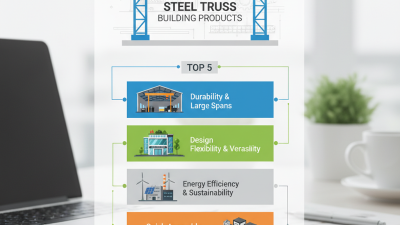
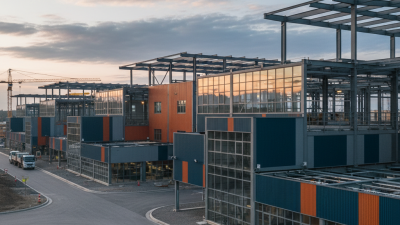
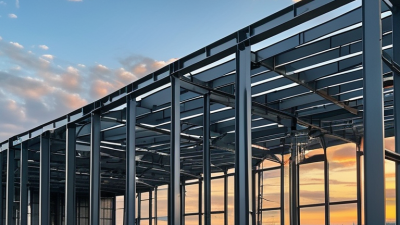
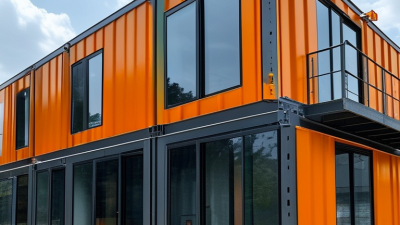
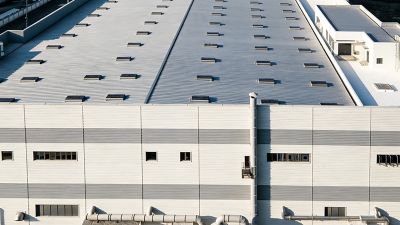
The construction landscape is evolving, particularly with the rising demand for innovative low-cost solutions in the development of structural steelwork for prefabricated warehouses and offices. One notable advancement in this field is the integration of prefab steel structures, which promise rapid assembly and enhanced performance. These buildings are designed to meet various industrial needs, from production facilities to storage solutions and on-site office environments.
Prefab steelwork offers remarkable flexibility in layout, allowing for customization that accommodates the unique requirements of each project. The straightforward construction process helps reduce overall costs and minimizes construction time, making it a smart choice for businesses looking to expand or establish operational spaces quickly. These integrated buildings not only provide a durable and reliable solution but also contribute to a more efficient use of resources, making them an attractive option for industries aiming to optimize their operational efficiency.
As organizations seek to balance cost and performance, the adoption of innovative prefab steel solutions offers a pathway to achieving modern workspace goals without compromising quality or safety. The versatility of these structures ensures that they remain an ideal choice for various applications in the industrial sector.
FAQS
: Common materials include reclaimed wood and recycled steel. These are eco-friendly options with visual appeal.
Modular design speeds up assembly and minimizes waste. However, customization options can be limited for buyers.
3D printing allows for complex structures. Still, material reliability in different climates is a concern.
Smart technology will automate functions like lighting and heating. This will enhance energy efficiency and comfort.
Buyers need to choose compatible materials for smart systems. Proper wiring and insulation are vital for performance.
Select adaptable materials and layouts that allow for tech upgrades. Change is inevitable, so flexibility is key.
Innovative methods can lead to benefits but may also bring unexpected drawbacks. It's essential to weigh options carefully.
Lifestyle choices shape technology needs within the home. Reflect on how your daily life can influence design decisions.
Conclusion
As the demand for prefab homes continues to rise, understanding the key trends and materials in 2026 will be essential for global buyers. This overview highlights the importance of sustainable materials that promote eco-friendly construction practices, addressing the increasing need for environmentally responsible building options. Innovations in building techniques are reshaping the manufacturing process, leading to more efficient production of prefab home materials, including wood, steel, and concrete, each offering distinct benefits and challenges.
In addition, the global supply chain dynamics will play a critical role in determining the availability and pricing of these materials, influencing the decisions made by buyers worldwide. The integration of smart technology into prefab homes is also set to revolutionize living spaces, enhancing functionality and efficiency. Lastly, as regulatory frameworks evolve, buyers must navigate both challenges and opportunities associated with prefab homes materials to ensure their investments align with future trends in sustainable living and smart home technologies.