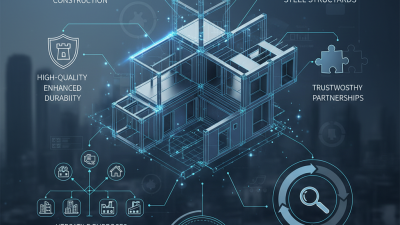
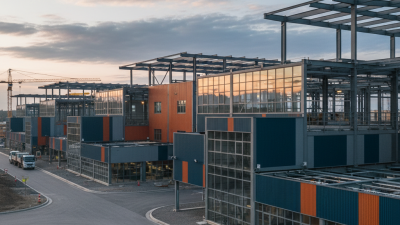
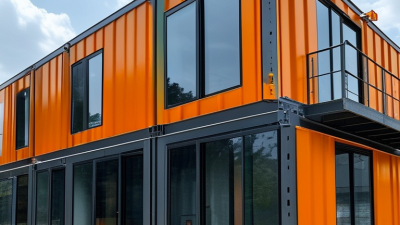
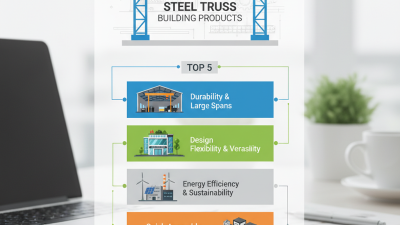
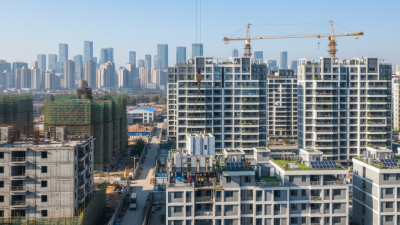
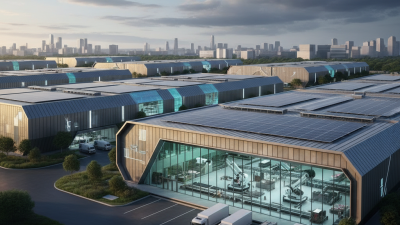
The construction scene is changing pretty fast these days, and one thing that's really gaining traction globally is Steel Prefab Houses. If you're keeping an eye on the market, you might’ve noticed they're becoming quite popular among buyers worldwide. According to a report from Mordor Intelligence, the prefab construction industry is expected to grow at about 6.5% CAGR between 2021 and 2026. This trend really shows how people are looking for building solutions that are efficient, sustainable, and just plain smarter. Steel Prefab Houses are known for their strength and durability, making them a top pick for a lot of folks out there.
Now, when you look at China, some companies are really leading the way in this space. Names like Soho China and Broad Group have become sort of industry benchmarks. Their innovative designs and use of high-quality materials really show what’s possible with Steel Prefab Houses in tackling modern housing issues. Sure, the upfront cost can be a bit steep, but in the long run, the energy savings and lower labor costs make it pretty compelling.
That said, it's not all smooth sailing. Not every Steel Prefab House on the market meets the same high standards. Buyers really need to do their homework and carefully evaluate their options to make sure they’re getting something reliable and well-made. As the market keeps growing, this step is more important than ever. All in all, steel prefab solutions definitely seem like a viable option for anyone looking for modern, comprehensive housing options in today’s ever-changing world.
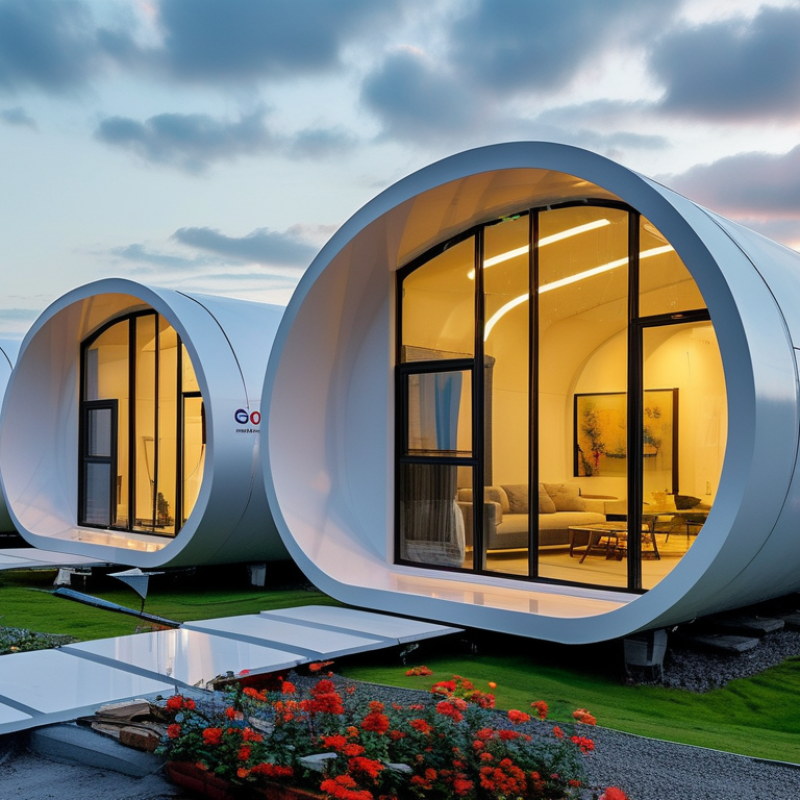
Overview of Steel Prefab Houses in China
Steel Prefab Houses have gained significant attention in China for their innovative construction methods and sustainability. According to the China National Building Material Group Corporation, the prefab housing market is expected to reach $100 billion by 2025. This growth reflects a shift towards modern construction practices and off-site building techniques.
The appeal of steel prefab houses lies in their efficiency and environmental benefits. These homes are constructed quickly, reducing labor costs by 30% compared to traditional building methods. Additionally, steel is 100% recyclable, minimizing waste and supporting sustainable development. While these houses are designed to be durable and energy-efficient, there are still areas for improvement. Some buyers report issues with insulation and design flexibility, highlighting the need for further innovation.
Current trends indicate that global buyers are showing increased interest in China's steel prefab houses. Reports show that about 40% of international clients are seeking sustainable housing solutions. This shift suggests a broader recognition of the benefits of prefab houses, yet challenges remain in addressing quality control and customization options. As the market evolves, ongoing research and development will be crucial to meet diverse buyer demands.
Key Features of Steel Prefab Houses
Steel prefab houses have gained recognition for their innovative designs and durability. These structures often utilize Steel Beam Houses, which provide exceptional strength and resistance to environmental stresses. A report by the China Steel Construction Society indicates that steel structures can outlast traditional materials under harsh conditions. This durability makes them a preferred choice for many buyers.
The core features of steel prefab houses include rapid construction, sustainability, and energy efficiency. Prefabrication reduces on-site waste and minimizes construction time. According to a study by the International Energy Agency, steel buildings can improve energy efficiency by up to 30% compared to conventional designs. Additionally, these houses can be tailored to various preferences, offering versatility in design and usage.
Tips: When considering a steel prefab house, assess the insulation materials used. Quality insulation enhances energy performance and cost savings. Always check local building guidelines to ensure compliance with regulations. Also, reflect on future needs; flexible layouts can accommodate changes down the line.
Top 10 Steel Prefab Houses in China for Global Buyers - Key Features of Steel Prefab Houses
| Model |
Size (sqm) |
Material Type |
Insulation Type |
Price Range (USD) |
Energy Efficiency Rating |
| Model A |
100 |
Steel Frame |
Polyurethane |
20,000 - 25,000 |
A+ |
| Model B |
150 |
Lightweight Steel |
Fiberglass |
25,000 - 30,000 |
A |
| Model C |
120 |
Reinforced Steel |
Mineral Wool |
22,000 - 27,000 |
A- |
| Model D |
130 |
Steel Panel |
EPS Foam |
18,000 - 23,000 |
A+ |
| Model E |
110 |
Galvanized Steel |
Cellular Glass |
19,000 - 24,000 |
B+ |
| Model F |
140 |
Steel Frame |
Polystyrene |
21,000 - 26,000 |
A+ |
| Model G |
160 |
Composite Steel |
Rock Wool |
27,000 - 32,000 |
A |
| Model H |
170 |
Heavy-duty Steel |
Polyurethane |
30,000 - 35,000 |
A+ |
| Model I |
150 |
Steel and Wood |
Fiberglass |
23,000 - 28,000 |
B+ |
| Model J |
180 |
Steel Frame |
EPS Foam |
32,000 - 37,000 |
A |
Top Manufacturers of Steel Prefab Houses in China
Steel prefab houses have gained traction in China due to their durability and cost-effectiveness. Several prominent manufacturers specialize in producing these structures. They leverage advanced technology to build homes that are both functional and attractive. Buyers appreciate the speed of construction as these houses can be assembled quickly. The use of steel offers resistance against various environmental factors, appealing to those in different climates.
However, not all manufacturers provide the same level of quality. Some lack rigorous quality control processes, leading to concerns about safety and longevity. Buyers should prioritize firms known for their reliability and strong customer feedback. It’s essential to review the materials used in the construction of Steel Structure Houses. This affects not just aesthetics, but also energy efficiency in the long term.
Communication with manufacturers is crucial. Clear dialogue ensures that specific requirements and concerns are addressed. Many global buyers seek customization options, reflecting personal tastes and local building codes. Understanding the manufacturing processes can provide insights into potential issues. Hence, thorough research is necessary before making a decision.
Criteria for Selecting the Best Steel Prefab Houses
When selecting steel prefab houses, consider several key criteria. The design flexibility is crucial. Different architectural styles can meet varying preferences. Buyers should assess the functionality of the layout. Open spaces can enhance livability in smaller homes. A good design also considers energy efficiency. Homes with better insulation save on heating and cooling costs.
Quality of materials is another important factor. Durable steel ensures longevity. It withstands harsh weather conditions, offering reliability. Look for certifications that verify standards of quality. Additionally, evaluate the manufacturer’s reputation. Experience in the industry often indicates reliability. Customer reviews can provide valuable insights into the purchasing experience.
Cost is a significant consideration as well. Steel prefab houses can vary widely in price. Balance features with budget to find the right fit. Ensure that hidden costs are accounted for. Maintenance needs should also be factored in. Some designs may require more upkeep than others. Keeping these aspects in mind can lead to a satisfactory purchase.
Detailed Review of the Top 10 Steel Prefab Houses
The construction industry has seen a significant rise in steel prefab houses, particularly in China. Recent reports suggest that over 2 million prefab houses were constructed in 2022 alone, with steel structures dominating the market. Steel offers durability, energy efficiency, and design flexibility, making it a preferred choice for builders and buyers alike. The global demand for Steel Container Houses has increased, reflecting a shift towards sustainable living.
A study indicated that steel prefab houses can reduce construction waste by approximately 60%. This efficiency aligns with environmentally conscious trends in housing. However, while these structures are appealing, potential buyers often overlook the importance of quality control. Some manufacturers may skimp on materials, leading to structural weaknesses over time. Inspecting certifications and building standards is crucial before making a decision.
The versatility of steel container houses is notable. They can easily be customized for various uses, from homes to offices. Yet, with customization comes a potential challenge: ensuring that the modifications do not compromise structural integrity. These houses can be susceptible to corrosion if not properly treated. Therefore, prospective buyers should prioritize research on maintenance and long-term durability.
Global Market Trends for Steel Prefab Houses
The global market for steel prefab houses is on the rise. Recent reports indicate that this sector is projected to grow at a CAGR of 9.5% from 2023 to 2030. China is at the forefront, leading innovation and production capacity. This surge is fueled by increasing urbanization and demand for affordable housing.
Steel prefab houses offer numerous benefits. They are quicker to assemble and more durable than traditional homes. The use of prefabricated components can reduce construction waste by up to 30%. However, challenges persist, including quality control and regulatory compliance. Many manufacturers face scrutiny regarding materials and construction standards.
In recent years, consumer preferences have shifted toward sustainable living. Steel is 100% recyclable, enhancing its appeal. Still, market players must address concerns about environmental impact during production. As global buyers seek reliable solutions, manufacturers must prioritize transparency and build trust. Continuous improvement in technology and processes is essential to meet these evolving market demands.
Comparative Analysis of Steel vs. Traditional Housing Options
Steel prefab houses are gaining traction globally. Their construction speed and cost-effectiveness make them appealing. In contrast, traditional housing often requires more time and resources. According to recent studies, steel construction can reduce build time by up to 50%. This rapid assembly is particularly beneficial for urban areas facing housing shortages.
Durability is another critical factor. Steel structures exhibit high resistance to weather and seismic events. In regions prone to natural disasters, this resilience is invaluable. Research indicates that steel houses can withstand winds up to 160 mph. On the other hand, traditional wooden homes may not offer the same level of structural integrity over time.
A common concern about steel prefab homes is insulation and energy efficiency. Some designs may not meet expectations in these areas. Proper insulation is vital to optimize energy consumption. Reports suggest that many steel homes still fall short in this aspect compared to their traditional counterparts. Addressing these concerns is essential for wider acceptance. The debate between these housing options continues as both styles evolve.
FAQS
: Steel prefab houses offer quick construction, reduced labor costs, and environmental sustainability. They are also energy-efficient.
Labor costs can be reduced by approximately 30% compared to traditional methods. This reflects greater efficiency in construction.
Yes, these houses can be customized for various preferences. However, customization should not compromise structural integrity.
Buyers should assess insulation materials carefully. Quality insulation enhances energy efficiency and can lead to cost savings.
Steel is 100% recyclable, minimizing waste. Additionally, these houses significantly reduce on-site construction waste.
Steel prefab houses are designed for durability. They can outlast traditional materials in extreme environmental situations.
Some buyers report issues with insulation and design flexibility. There is also a need for better quality control in manufacturing.
Neglecting quality control can lead to structural weaknesses over time. Ensuring certification and building standards is vital for safety.
The prefab housing market in China is expected to reach $100 billion by 2025, indicating significant industry growth.
Buyers should consider flexible layouts that can accommodate changes. Planning ahead can enhance long-term usability of the space.
Conclusion
Steel prefab houses have gained significant popularity in China, appealing to global buyers due to their unique advantages. This article provides an overview of these innovative housing solutions, highlighting their key features such as durability, cost-effectiveness, and quick assembly. It also discusses the criteria to consider when selecting the best steel prefab houses, including design flexibility and energy efficiency.
The detailed review of the top 10 steel prefab houses showcases the leading manufacturers and their offerings, emphasizing the growing trends in the global market for this construction type. In addition, a comparative analysis between steel and traditional housing options reveals the many benefits of choosing steel prefab houses, making them a viable and modern choice for various building needs.