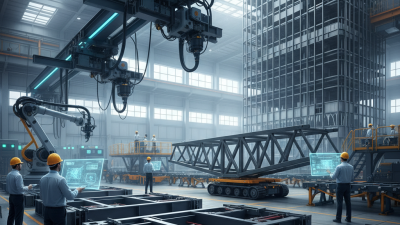
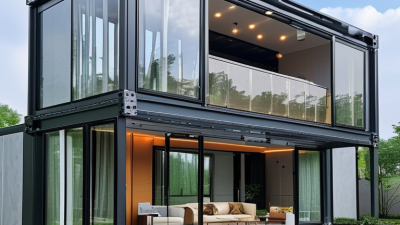
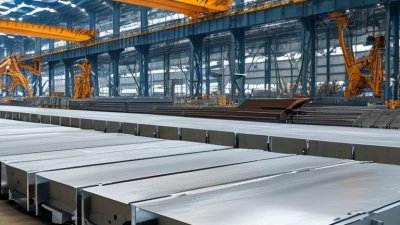
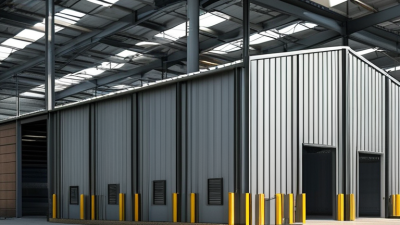
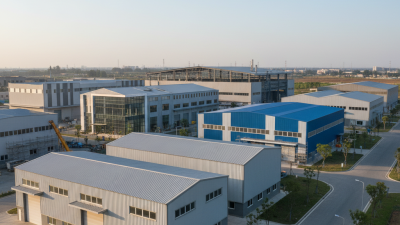
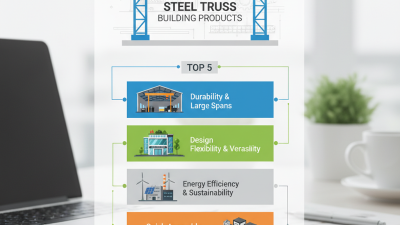
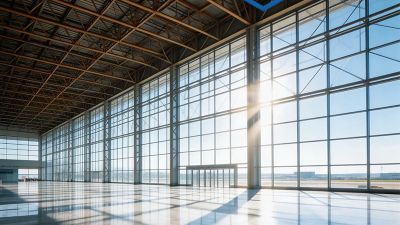
Lately, there's been a noticeable jump in the global interest in Steel Structure Houses. Honestly, I think a big part of that has to do with their durability, cost savings, and how quickly they can be put together. Companies like Zhaojun Steel and Xinxing Ductile Iron Pipes have really made a name for themselves by producing some top-notch steel structures. That said, with this rapidly growing market, there are definitely some good opportunities but also a few hurdles to watch out for.
Now, while steel houses are often seen as a sustainable and modern choice, not every manufacturer plays by the same rules when it comes to quality. If you're thinking about investing, it’s super important to do your homework on the suppliers—checking out their experience and past projects can save you a lot of headaches down the line. Even the well-known brands aren’t immune to quality hiccups, so transparency really becomes key here—it helps build that much-needed trust.
What draws people to Steel Structure Houses is their sleek, modern look and practical design. But here's the thing—be cautious. Get to know what materials are being used and try to understand the whole construction process. It might sound a bit techy, but doing that small bit of research can really make a difference in avoiding surprises later. Taking this balanced, careful approach means you'll make smarter choices in a market that's pretty fast-moving and constantly changing.
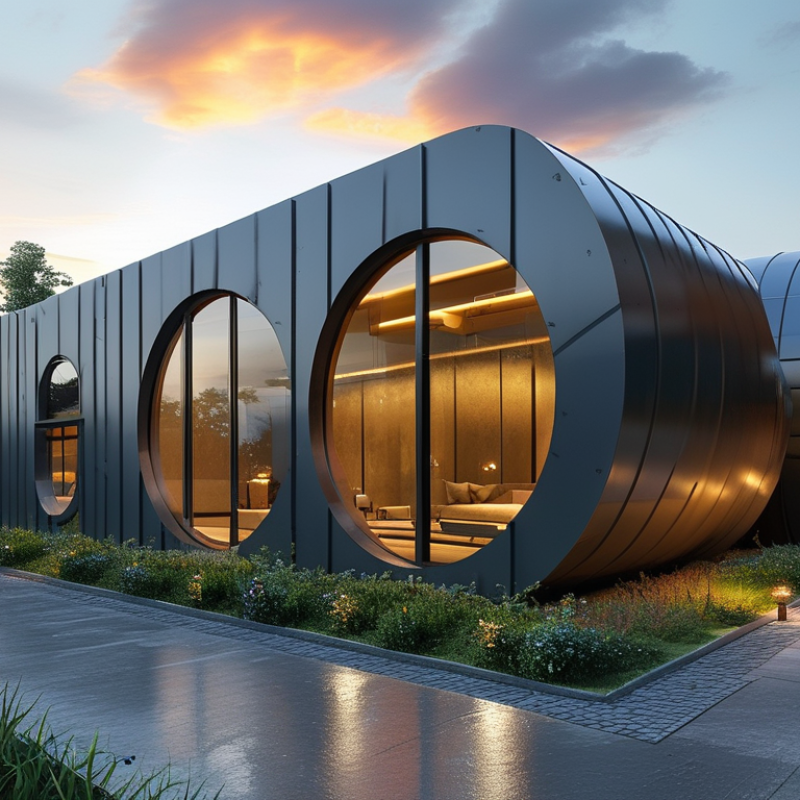
Overview of Steel Structure Houses in China
Steel structure houses in China have become a popular choice among global buyers. These homes are known for their durability and strength. Made primarily from steel, they can withstand severe weather conditions. The design flexibility of these structures allows for various architectural styles, catering to diverse tastes. Many Chinese manufacturers have adopted advanced technologies to enhance quality and efficiency. This has led to a significant increase in demand from international markets.
Despite their advantages, there are some challenges. The initial cost of steel structure houses can be higher than traditional wooden homes. Additionally, buyers may face concerns regarding insulation and thermal efficiency. Proper planning and execution are crucial in addressing these issues. Not every design is suitable for every climate. Therefore, adapting these structures to different environments requires expertise.
As the market evolves, manufacturers continue to innovate. They focus on improving sustainability and energy efficiency. Some companies are exploring eco-friendly materials alongside steel. This shift reflects a growing awareness of environmental issues. However, the industry must also improve transparency in sourcing materials. This ensures that buyers receive reliable and ethically produced homes.
China Top Steel Structure Houses for Global Buyers
| Model |
Size (sq ft) |
Material Type |
Price (USD) |
Energy Efficiency Rating |
| Model A |
1200 |
Steel Frame |
25,000 |
A+ |
| Model B |
1500 |
Composite Steel |
30,000 |
A |
| Model C |
1800 |
Galvanized Steel |
35,000 |
A |
| Model D |
2000 |
Steel Reinforced |
40,000 |
B+ |
| Model E |
2200 |
Structural Steel |
45,000 |
A++ |
Key Manufacturers of Steel Structure Houses in China
China has rapidly emerged as a leader in the production of Steel Beam Houses, appealing to global buyers looking for durable and cost-effective housing solutions. According to recent industry reports, the steel structure housing market in China is projected to grow by approximately 15% annually over the next five years. This growth reflects the rising demand for sustainable and resilient construction methods worldwide.
Many key manufacturers in China are focusing on advanced technologies to enhance the quality of Steel Beam Houses. They are incorporating innovative designs that allow for quick assembly and energy efficiency. Furthermore, these companies are increasingly adhering to strict international standards, ensuring that their products are not only safe but also environmentally friendly. Yet, challenges remain in terms of material sourcing and labor costs that can impact production efficiency.
Tip: When considering Steel Beam Houses, evaluate the manufacturer's certifications and past projects.
Cost transparency is another crucial factor. In some cases, hidden charges can inflate the final price. Potential buyers should request detailed quotations to avoid unexpected expenses.
Tip: Always inquire about warranty and after-sales support.
Benefits of Choosing Steel Structure Houses
Steel structure houses offer numerous advantages for modern living. They are strong and durable, resisting harsh weather conditions. Their fire-resistant properties ensure safety for families. Many people appreciate the quick installation process of Steel Prefab Houses. This can significantly reduce construction time compared to traditional houses.
Moreover, these structures are often more environmentally friendly. Steel is recyclable, making it easier to minimize waste during the building process. Homeowners can also benefit from energy-efficient designs that help lower utility bills. Steel prefab houses can support various architectural styles. This flexibility attracts buyers seeking personalized options in their living spaces.
While the benefits are clear, some may find the aesthetic of steel houses unappealing. Additionally, noise insulation can be an issue, requiring further investment in soundproofing solutions. However, many choose to embrace the industrial look. With thoughtful design choices, steel structure houses can harmonize with any environment. They represent a blend of innovation and practicality for global buyers.
Global Markets for Chinese Steel Structure Houses
China has emerged as a key player in the global steel structure housing market. These houses are gaining traction due to their affordability and durability. Many countries are looking to China for innovative building solutions as they face housing shortages. The designs often incorporate modern aesthetics, appealing to a wide range of consumers.
International buyers appreciate the speed of construction. Steel structures can be erected quickly, reducing overall project timelines. However, there are challenges. The quality control of materials varies, which may concern some buyers. Understanding local regulations is crucial for successful projects. Not all designs are suitable for every climate or environment. Customization is often necessary to meet specific needs.
The steel structure market is not without its risks. Economic shifts can impact pricing and availability. Buyers must navigate these uncertainties while making decisions. Despite these hurdles, the potential for growth in this sector remains significant. Many see it as a reliable solution to housing problems worldwide. Continuous innovation is essential for maintaining competitiveness in this evolving market.
Quality Standards and Certifications for Steel Structures
In recent years, the demand for steel structure houses has surged globally. This trend emphasizes the importance of quality standards and certifications. Organizations like the International Organization for Standardization (ISO) play a pivotal role in setting these standards. ISO 9001, for instance, addresses quality management. Compliance with these standards ensures that manufacturers meet customer expectations and regulatory requirements.
The durability of steel structure houses depends on proper certification. According to a report by the World Steel Association, certified structures demonstrate improved performance and safety. This is crucial in regions vulnerable to natural disasters. Countries with stringent building codes, like Japan, require specific certifications for steel structures, including seismic resistance assessments. These certifications can enhance structural integrity.
However, the landscape is not without challenges. Many manufacturers still struggle to meet these rigorous standards. A study highlighted that only 60% of steel structure houses comply with international standards. This creates concerns around safety and reliability. Thus, global buyers should prioritize working with certified manufacturers to ensure their Steel Container Houses meet the highest quality benchmarks.
Design Innovations in China's Steel Housing Industry
China's steel housing industry is making waves with design innovations that attract global attention. These homes prioritize sustainability while offering contemporary aesthetics. Many structures feature modular designs, allowing for quick assembly with minimal waste. This adaptability meets diverse geographical needs, whether in urban or rural settings.
Companies and architects are focusing on energy-efficient materials and smart technology. Steel houses now often incorporate solar panels and efficient insulation. Such features significantly lower energy costs for homeowners. However, quality control can vary across different manufacturers, requiring careful research before making a decision.
To ensure a successful investment in steel structure homes, consider these factors: check design certifications, evaluate material sourcing, and read customer reviews. Engaging with experienced contractors is crucial. Not all steel homes are equal; some may require more maintenance than expected. Understanding local building codes is also essential. This knowledge can prevent future legal complications.
Challenges Faced by the Export of Steel Structure Houses
The export of Steel Constructed Houses presents a range of challenges that impact the entire market. High transportation costs can significantly affect profitability. Many countries impose strict regulations regarding building materials. Adapting to these regulations requires extensive research and expertise. Manufacturers might struggle to meet the various compliance standards across different regions.
Cultural differences also play a crucial role. Preferences for housing styles vary widely between markets. Steel constructed houses may not appeal to all buyers, especially in areas where traditional homes dominate. This disconnect can lead to slower sales and increased inventory costs, which can be a daunting hurdle.
Furthermore, competition from local builders presents another challenge. They often have a better understanding of the local market. Their established relationships with customers can make it difficult for foreign manufacturers to gain a foothold. Local builders may offer a faster and more cost-effective service, which could deter potential buyers from considering steel constructed houses. These complexities require careful navigation, highlighting the need for a strategic approach in the global marketplace.
Challenges Faced by China’s Steel Structure House Exports
Maximizing Efficiency: A Comprehensive Analysis of Custom Steel Structure Exhibition Hall Construction Trends and Turnkey Solutions in 2023
In 2023, the trend of custom steel structure exhibition halls is leaning towards maximizing efficiency and enhancing functionality. As industries evolve, the demand for large spanning structures that are both durable and cost-effective has surged. The adoption of advanced materials and construction techniques plays a critical role in meeting these demands. With innovations in portal frames, cold-formed steel, and prefabricated components, modern exhibition halls are not only aesthetically pleasing but also capable of accommodating diverse events and purposes.
The turnkey solutions offered by professional steel fabricators are at the forefront of this transition. By providing a complete package that includes design, manufacturing, and installation, these solutions streamline the construction process. The emphasis on efficiency allows for faster turnaround times and reduced labor costs, making it an attractive option for developers and event organizers alike. Furthermore, the resilience of steel structures ensures longevity and minimizes maintenance requirements, allowing stakeholders to focus on what truly matters—creating engaging and memorable experiences for visitors.
Overall, the shift towards custom steel structure exhibition halls reflects a broader trend in the construction industry, where efficiency and adaptability are key. As businesses continue to seek locations that meet their evolving needs, the solutions provided by professional steel fabricators are set to redefine the landscape of exhibition spaces for years to come.
FAQS
: They offer durability and can withstand severe weather. Design flexibility allows various architectural styles.
Yes, the initial costs can be higher compared to traditional homes. There may also be insulation concerns.
Buyers should consider manufacturers' certifications and past projects for quality assurance.
Yes, proper planning is needed to ensure thermal efficiency in different climates.
Request detailed quotations to avoid hidden charges that may inflate the final price.
Many manufacturers focus on sustainability by exploring eco-friendly materials alongside steel.
Companies are using advanced technologies for quality enhancement and quick assembly.
Yes, this can provide peace of mind regarding warranty and maintenance.
No, some designs may not be suitable for every environment. Adaptation requires expertise.
The market is projected to grow significantly, driven by demand for sustainable construction methods.
Conclusion
China has emerged as a significant player in the production of Steel Structure Houses, attracting global buyers with its innovative designs and manufacturing capabilities. The country boasts numerous key manufacturers that specialize in creating robust and versatile steel housing solutions. The advantages of opting for Steel Structure Houses include their durability, sustainability, and faster construction timelines, making them an attractive option for various markets worldwide.
Despite the growing demand, the export of Steel Structure Houses from China faces challenges, including adherence to international quality standards and gaining the necessary certifications. However, ongoing design innovations within the industry continue to enhance the appeal of these structures. As global markets increasingly recognize the benefits of Steel Structure Houses, China's commitment to quality and innovation positions it well for future growth in this sector.